Polynucleotides are a recent and exciting innovation in the world of regenerative medicine.
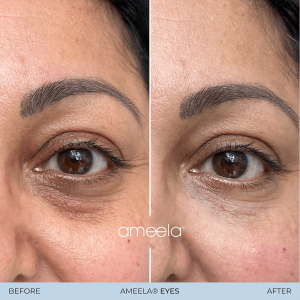
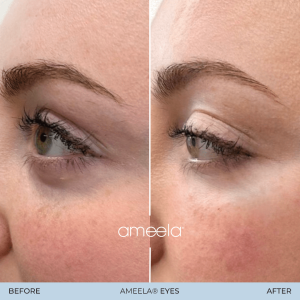
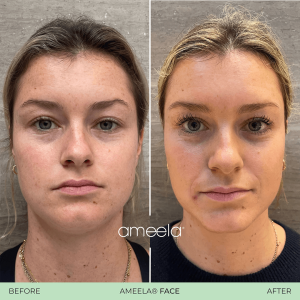
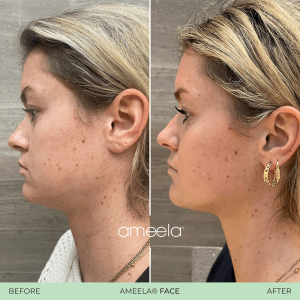
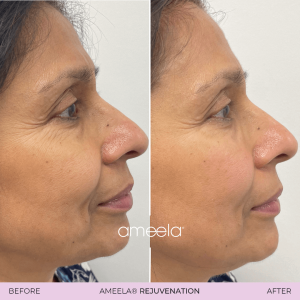
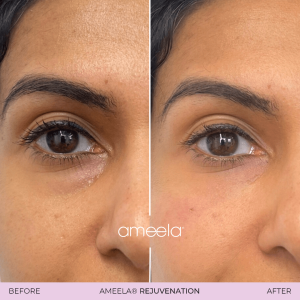
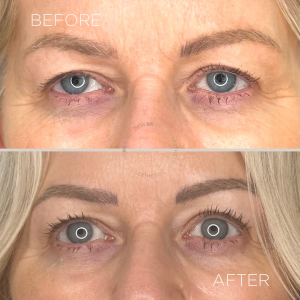
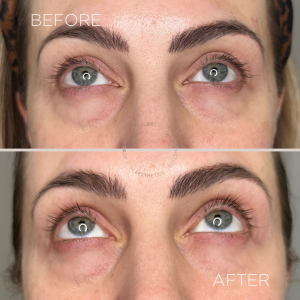
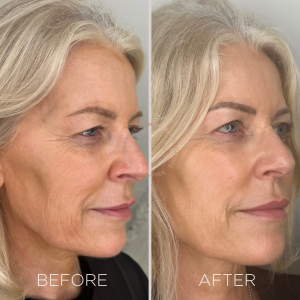
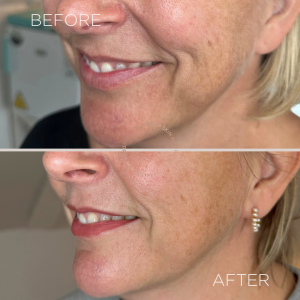
Ameela polynucleotides are tiny fragments of highly purified and sterilised DNA derived from salmon sperm. They function as a powerful biostimulator, signalling our skin cells to work harder to produce collagen and elastin. They are an innovative and effective way to restore skin firmness and elasticity, and ensure healthy skin that is protected against free radicals and cellular damage. They also increase local vascularity and improve tissue regeneration.
Ameela can be used anywhere on the face, around the eyes, neck, body and hair. It is cruelty free.

Please come to the clinic with a clean, makeup-free face.
Avoid sun exposure and topical retinoid treatment for at least 24 hours prior to treatment.
Avoid alcohol and strenuous exercise for 24 hours prior to treatment.
Avoid polynucleotide treatment within 2 weeks of dental or other aesthetic procedures.
If you take aspirin, NSAIDs (e.g. ibuprofen), or supplements including multivitamins, fish oils, glucosamine and Vitamin B or Vitamin E, consider stopping these for 24 hours prior to treatment as they can increase the risk of bruising (if these are prescribed, please discuss with your GP before stopping them).
As with all other aesthetic procedures, your treatment journey starts with a detailed consultation.
To get the most from your polynucleotide treatment it is recommended that you have an initial course of 2-3 treatments, each 2-3 weeks apart.
The treatment begins with cleansing the skin and marking up the area(s) to be treated. Strong numbing cream will be applied, or small injections of local anaesthetic may be used. A variety of techniques using needles or cannulae may be used to achieve the best aesthetic result.
The product may sting a little as it is injected, but this is short-lived.
Photographs will be taken before and after treatment for your medical record.
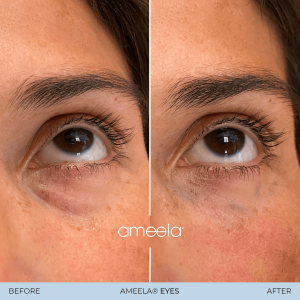
Ameela comes in different strengths to allow us to target specific areas of the body and particular concerns.
45-60 minutes
After injection, the area may feel tender but should not be actively painful.
You will be able to see and feel where the product has been injected (small bumps or lines), but these will settle over the coming 48-72 hours.
Mild swelling or puffiness is common. It will resolve by 2 weeks but should be significantly improved after 5 days.
Bruising can occur.
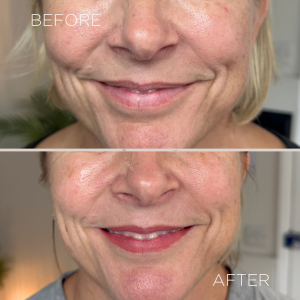
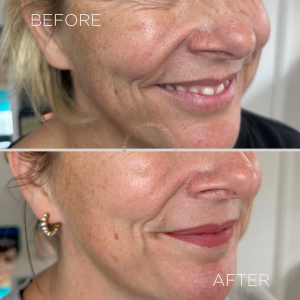
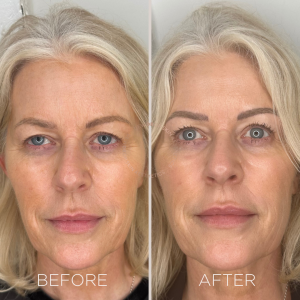
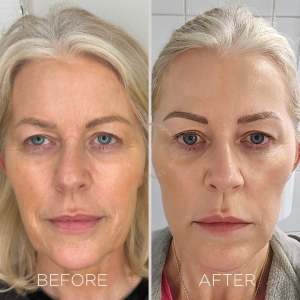
Polynucleotides are hydrophilic (attract water), so have powerful hydrating ability and you will see a visible lift within minutes.
Due to the biostimulatory nature of the treatment, final results often take 3-6 months to develop.
Your skin will remain improved for months to years, but a single-session top-up every 6-12 months is recommended to ensure ongoing biostimulation.
Whilst polynucleotides have been introduced to the aesthetics market only recently, they have been used for many years in the treatment of burns patients. Ameela is CE marked and has extensive clinical research and supporting data and an excellent safety profile.
Polynucleotides are injected superficially, significantly mitigating the risks that are associated with treatments such as dermal fillers.
The main risks are swelling, bruising, a theoretical risk of infection and allergy.
You may be provided with arnica balm and a cold compress to take home.
You will receive detailed aftercare advice via email that you can save and refer back to.
As a general guide you should avoid the following after polynucleotide treatment:
You will be offered a complimentary review 3 months after treatment. This is an opportunity to monitor your results and plan ongoing treatments. Photographs will be taken at your review.
Ameela polynucleotides are tiny fragments of DNA derived from the sperm cells of wild Atlantic salmon that go on to be used in the food industry. The DNA is purified, meaning it is free from other components such as proteins which may trigger an immune response; it is also sterilised.
Polynucleotides are powerful biostimulators. They signal our skin cells to work harder to produce collagen and elastin. They also have potent antioxidant activity, protecting cells from free radicals such as those caused by UV exposure. The molecules are hydrophilic (attract water) which produces a deeply hydrating effect.
No. Polynucleotides are small fragments of DNA that improve hydration and skin quality and health. In contrast, most dermal fillers are made from hyaluronic acid and may be injected into the different layers of the face to sculpt, define, balance, volumise and provide structure and support.
Polynucleotides may be combined with other injectables, but also offer impressive results as a stand-alone treatment.
Polynucleotides are a wonderful choice to improve the health and quality of your skin.
They can help with the following concerns:
To get the most from your polynucleotide treatment it is recommended that you have an initial course of 2-3 treatments, each 2-3 weeks apart.
Your skin will remain improved for months to years, but a single-session top-up every 6-12 months is recommended to ensure ongoing biostimulation.
Yes. This treatment is based entirely upon stimulating your own cells to work harder so the results will always look natural.
Strong numbing cream or even small injections of local anaesthetic may be used before polynucleotide treatment to ensure the procedure is as painless as possible. Most patients will describe short-lived mild discomfort or a stinging sensation as the product is injected.
As an anaesthetist (from Ancient Greek ἀν- (an-, ‘not’) and αἴσθησις (aísthēsis, ‘sensation’), Dr Kate makes it one of her top priorities to ensure patient comfort during procedures. She uses distraction techniques and has some squishy toys for you to squeeze to take your mind off the treatment.
Polynucleotides are hydrophilic (attract water), so have powerful hydrating ability and you will see a visible lift within minutes.
Due to the biostimulatory nature of the treatment, final results often take 3-6 months to develop.
Yes: if you would prefer to avoid injections Dr Kate has a signature treatment that combines polynucleotides with SkinPen skin rejuvenation in a single session. This powerful biostimulatory duo work synergistically to produce incredible results in a pain-free treatment with minimal downtime. You can learn more about this exciting treatment here.
Polynucleotides are a fantastic stand-alone treatment, but they also work very well in a treatment plan in combination with medical-grade skincare, anti-wrinkle injections, SkinPen and strategic use of dermal filler. Your recommended bespoke treatment plan will be discussed with you at your consultation.
Polynucleotides and Profhilo are both skin boosters. They will both increase skin hydration and stimulate collagen production. There are several important differences:
So if you are looking for a quick and effective glow to plump your skin before an event or a holiday, then Profhilo is the right treatment for you. If you have more mature skin, are particularly concerned with your eye area, or are looking to invest in your skin health and quality on a long-term basis, polynucleotides are likely to be better suited to you.
You can learn more about Profhilo here.
If you are unsure about which would benefit you, please book in for a consultation with Dr Kate and she will assess your skin, go through each treatment in detail, and make a recommendation to help you come to an informed decision.
A detailed consultation with Dr Kate is essential prior to treatment, and will determine whether they are a suitable treatment for you.
As a general guide, polynucleotides should not be used if you:
Blood thinning medications are not necessarily a contraindication, but may increase your risk of bruising significantly.
This product is not suitable for vegans.
The cost of polynucleotide treatment will depend upon the area(s) treated and the volume of product used. Dr Kate will conduct a thorough consultation including a medical and full facial assessment, before working with you to provide a bespoke treatment plan. This may involve a treating a single area or a number of areas to achieve the best aesthetic result.
Prices start from £350. A guide to the price of treatment can be found here, but you will receive an individualised quote based on your concerns and goals.
You can visit the Ameela website or click here to download the Ameela patient brochure.