Support
Your Concerns
collaborative care
The clinicians and therapists at DewDRop Skin’s doctor-led clinic have a firm focus on holistic care and high-quality results, supporting your physical and mental wellbeing as well as your aesthetic goals.

Face
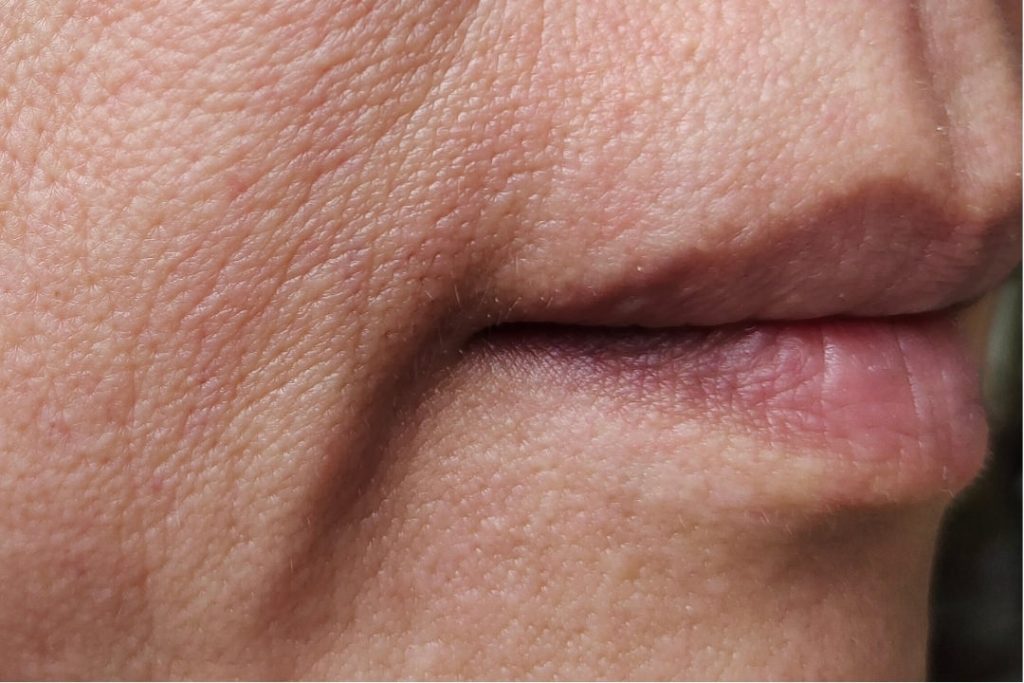
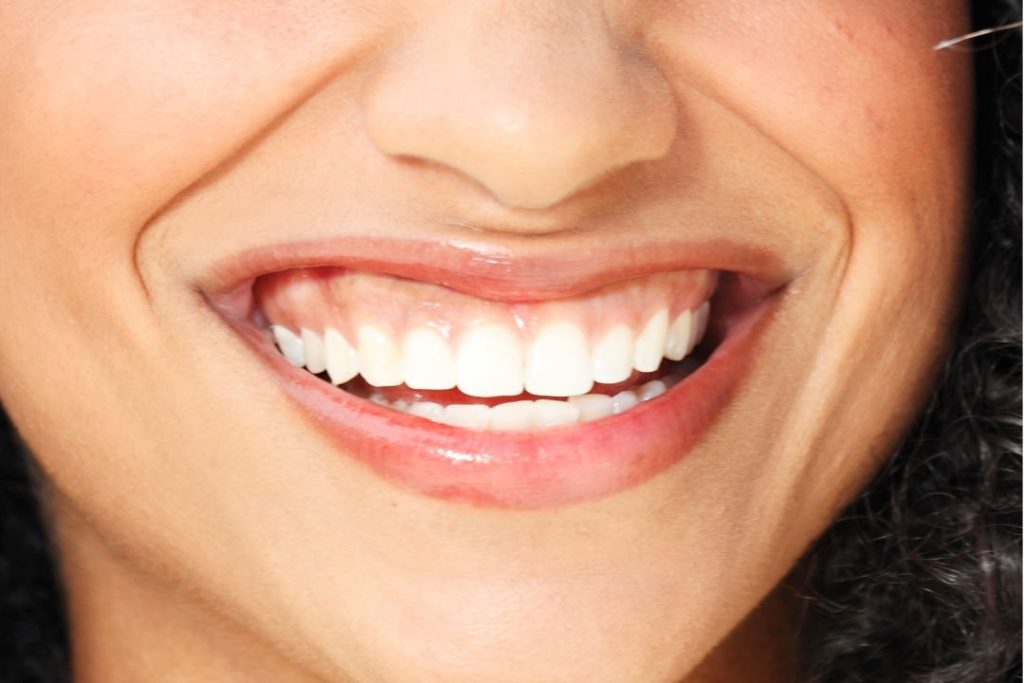
Downturned Mouth
Patients often complain of looking sad and that this does not reflect how they feel or who they are as a person. This is a common concern as we age, and can be due to the pull of the depressor anguli oris (DAO) muscle, volume loss in the mid or lower face, or a combination of the two.
During your consultation, the following techniques that may be recommended to address this concern (click to find out more):
- Botulinum Toxin to target the DAO muscle
- Dermal Filler to the mid or lower face
Eye Area
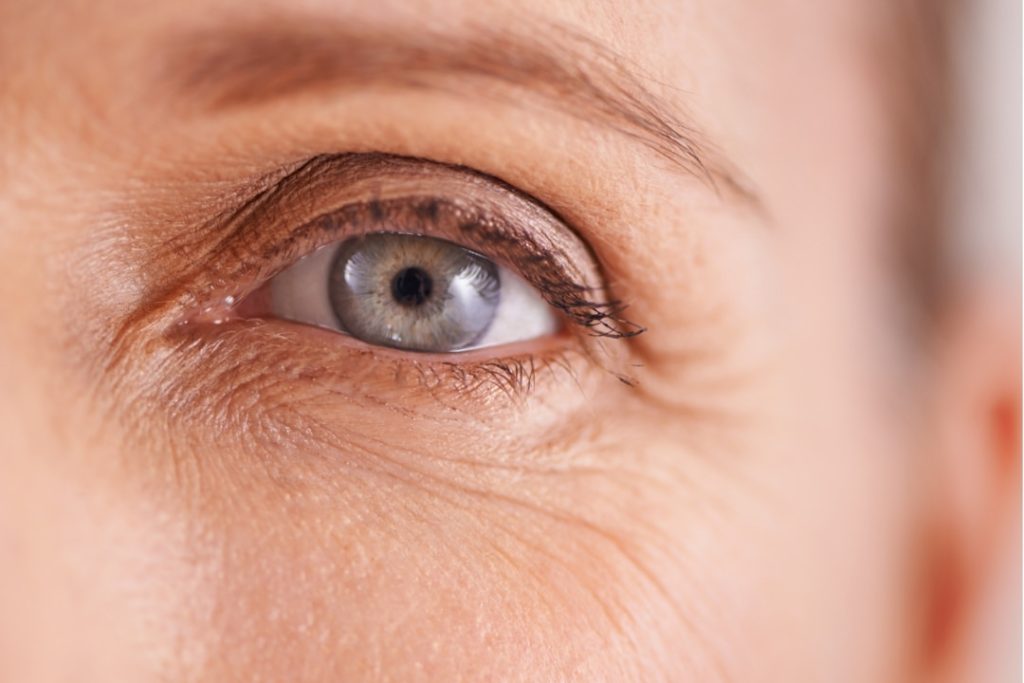
The periocular region has the thinnest skin on the body and far fewer sebaceous glands than the rest of the face, so it is prone to dehydration and is often the first place to show the signs of ageing.
Common concerns include fine lines and wrinkles (crow’s feet), crepey skin, dark circles, puffiness, bags, hollowing in the tear troughs, and hooded eyelids.
The eye area is a common complaint in patients of all ages and has historically proved very difficult to treat; with the advent of injectable polynucleotides, most concerns are now eminently treatable.
You may be recommended the following treatments during your consultation (click to find out more):
- Botulinum Toxin to target the orbicularis oculi muscle
- Dermal Filler to the tear troughs
- Medical-Grade Skincare
- Polynucleotides
- Redensity 1
- Sculptra to address loss of volume in the temples to help support the periocular tissues
Facial Imbalance
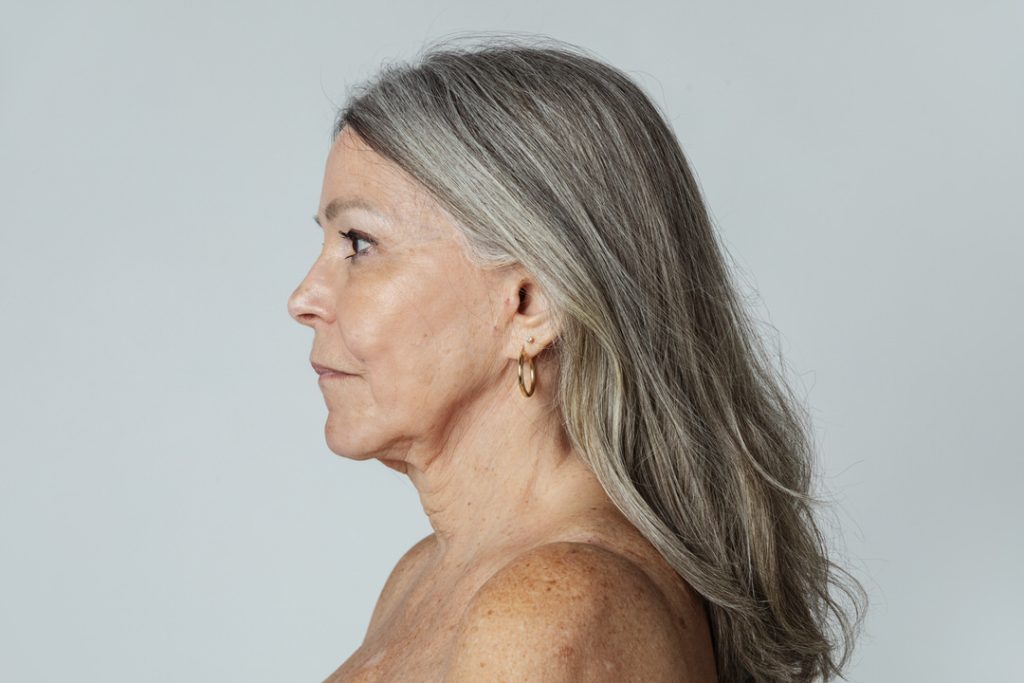
It is not uncommon to have one or more features that do not sit harmoniously with the rest of the face. This is often genetic, but may also be related to the ageing process or develop over time as the result of muscle overactivity.
A variety of treatments can be used to address these concerns, and often a combination approach will be recommended to achieve the most natural looking result and rebalance the facial features. A consultation is required prior to treatment.
The following treatments can be used to address facial imbalance (click to find out more):
- Dermal Filler to the mid or lower face
- Facial Slimming to target the masseter muscle
- Lip Enhancement
- Sculptra

Fine Lines and Wrinkles
Lines and wrinkles develop for a wide variety of reasons:
- Muscle activity produces dynamic lines with facial expression and with time these lines become static (fixed)
- A decline in skin quality with age can worsen the appearance of pre-existing wrinkles and even cause new ones to form
- Lines and wrinkles may also be due to factors such as gravity and the position in which you sleep.
A detailed consultation will allow Dr Kate to perform a full facial assessment and make recommendations in the form of a treatment plan. Treatments that can be used to address fine lines and wrinkles include (click to find out more):
- Botulinum Toxin to target the muscles responsible for dynamic lines
- A thin, flexible Dermal Filler to gently lift the wrinkles
- Dermalux LED Phototherapy to boost collagen production
- Exosomes
- Medical-Grade Skincare
- Sculptra to address volume loss and skin laxity
- Skin boosters including Polynucleotides, Profhilo, Redensity 1 and babyGLOW™ to improve overall skin quality
- SkinPen Precision Microneedling will treat fine lines and wrinkles and improve skin quality – a course of 4-6 treatments may be required depending on your concerns
- Dr Kate’s exciting signature SkinPen with Skin Boosters treatment is an excellent choice for patients with fine lines and wrinkles – a course of 3 treatments may be required depending on your concerns
- Skin Resurfacing

Jowls
As we age, the deep fat pads in the face (responsible in part for structural support) decline in volume and the superficial fat pads (particularly the jowls and nasolabial fat pads) increase in volume. This means that the face starts to descend southwards. There may also be strong pull on the lower face by the platysma muscle in the neck, which can contribute to the appearance of jowls.
At DewDRop Skin, you will receive a detailed consultation including a full facial analysis, and recommendations to target the cause of jowls. This may involve one or more modalities of treatment. You can trust that Dr Kate will be open and honest with you about what is likely to be achievable with non-surgical aesthetic treatments. Occasionally, she may refer you to another specialist for an opinion, such as a plastic surgeon.
Techniques that can be used to treat jowls include (click for more information):
- Botulinum Toxin to perform a Nefertiti neck lift
- Dermal Filler treatment
- Sculptra to address volume loss and skin laxity
Lips
Lips are the focus of the face, especially when we are talking, and it is not unusual for patients to want to enhance them. The shape, symmetry and volume of the lips is often genetic, but from as early as our mid-20s lip volume begins to decline. Additionally, external pull from the muscles of facial expression may contribute to asymmetry, a gummy smile or thin lips that may disappear when you smile. The pull from these muscles can also contribute to perioral lines, which can affect the overall aesthetic of the lips.
The lips are incredibly delicate and there are a number of interacting factors to consider when treating them. Dr Kate has expert knowledge of anatomy and physiology and understands the importance of each of these factors individually and the relationship between them. At your consultation, she may suggest one or a combination of the following (click to find out more):
- Botulinum Toxin to target muscles that may be responsible for asymmetry, a thinning upper lip or a gummy smile
- Lip Enhancement to treat volume loss or imbalance, define and sculpt the lips
Perioral Lines
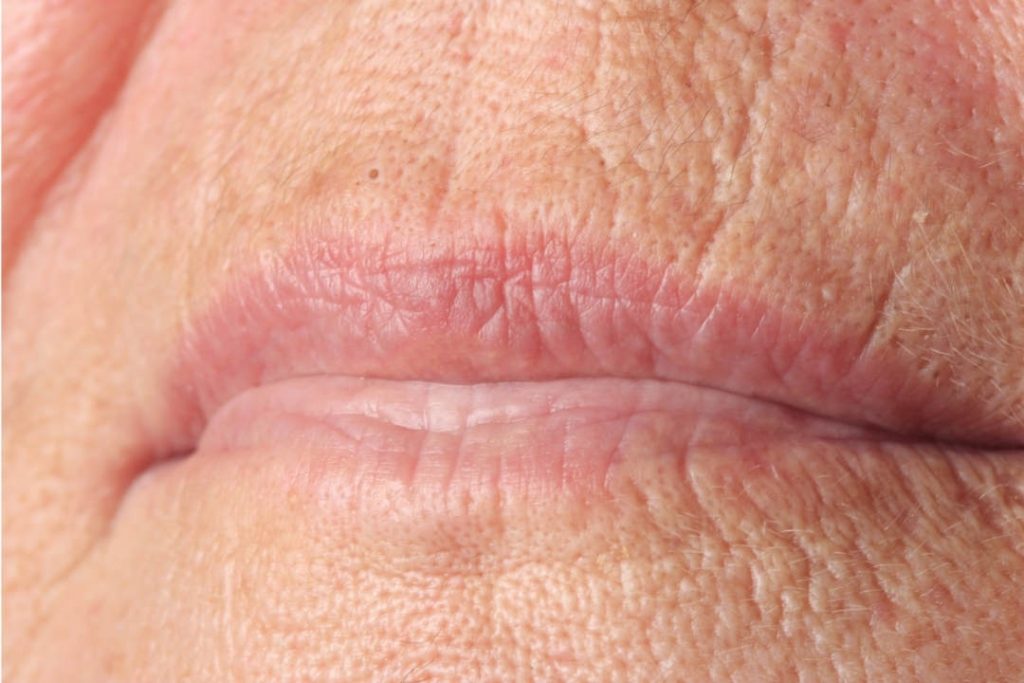
Perioral lines are often referred to as smoker’s lines, although they are a part of the normal ageing process and are more commonly attributable to normal movement of the mouth and other activities including drinking from a straw. They result from activity of the orbicularis oris muscle, the sphincter muscle that surrounds the mouth, and become more noticeable as skin quality declines and collagen and hyaluronic acid levels deplete over time. These lines can significantly age the appearance of the mouth.
At your consultation, Dr Kate may recommend one or a combination of the following (click for more information):
- Botulinum Toxin to target muscles that may be responsible for asymmetry, a thinning upper lip or a gummy smile
- A thin, flexible Dermal Filler to gently lift the wrinkles
- Lip Enhancement to treat volume loss, and define and sculpt the lips, which can add support to the perioral region
- Polynucleotides and Redensity 1 skin boosters to improve overall skin quality
- SkinPen Precision Microneedling to improve overall skin quality
Volume Loss
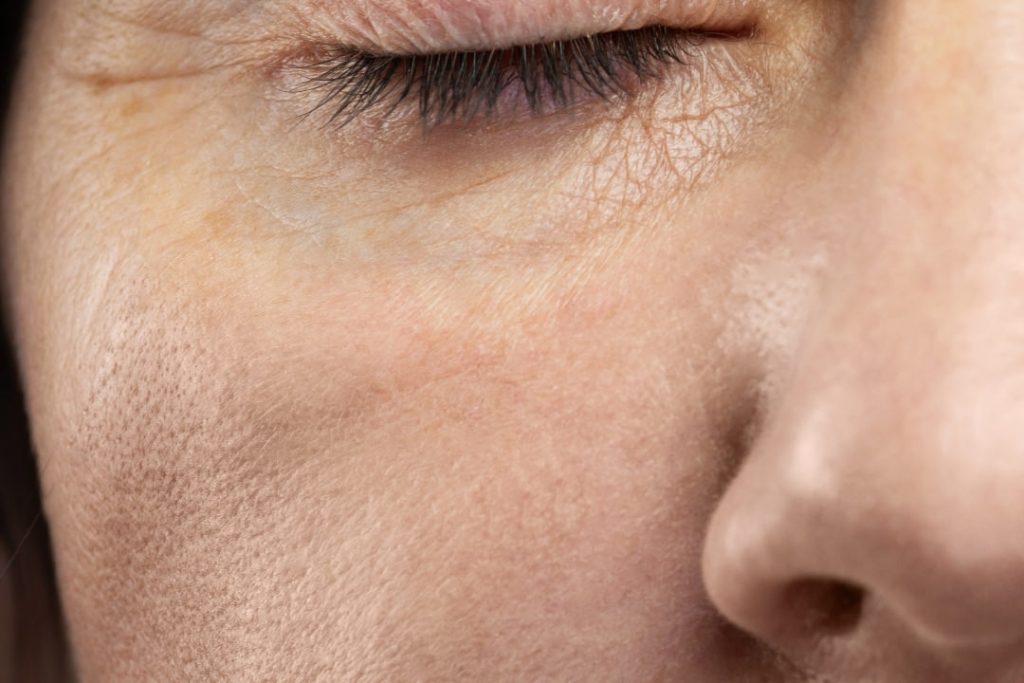
As we age, the deep fat pads in the face (responsible in part for structural support) decline in volume and the superficial fat pads (particularly the jowls and nasolabial fat pads) increase in volume. This means that the face starts to descend southwards, creating marionette lines that originate in the oral commissures (corners of the mouth) and extend diagonally downwards towards the jaw. This can produce a sad appearance.
Bone loss in the maxilla and mandible (the bones that form the upper and lower jaws) also occurs as we get older, which means there is less support for the lips and perioral structures so they appear sunken in comparison to the jowls and chin.
Nasolabial folds similarly deepen with time. They are commonly called smile lines and form at the inferior extent of the nasolabial fat pads, running from the corners of the nose towards the oral commissures. As these fat pads increase in volume and underlying structural support and collagen is lost the lines become deeper.
The temples also begin to hollow, making the bony prominence next the eye more pronounced and producing a gaunt or skeletal appearance.
Volume loss in the face typically presents as:
- A gaunt appearance
- Descent of the facial structures
- Hollowing of the temples
- Shadowing due to deepening of the nasolabial folds, marionettes and mental crease
- Thinning of the lips
Volume loss is mainly addressed with Dermal Filler treatment. In addition, at your consultation Dr Kate may suggest the addition of one or a combination of the following (click for more information):
- Sculptra to address volume loss and skin laxity
- Skin boosters (Polynucleotides, Profhilo and babyGLOW™) to hydrate, plump and improve overall skin quality in the mid and lower face
- SkinPen Precision Microneedling, exosomes and/or Skin Resurfacing to improve overall skin quality
BODY
Neck Laxity or Lines
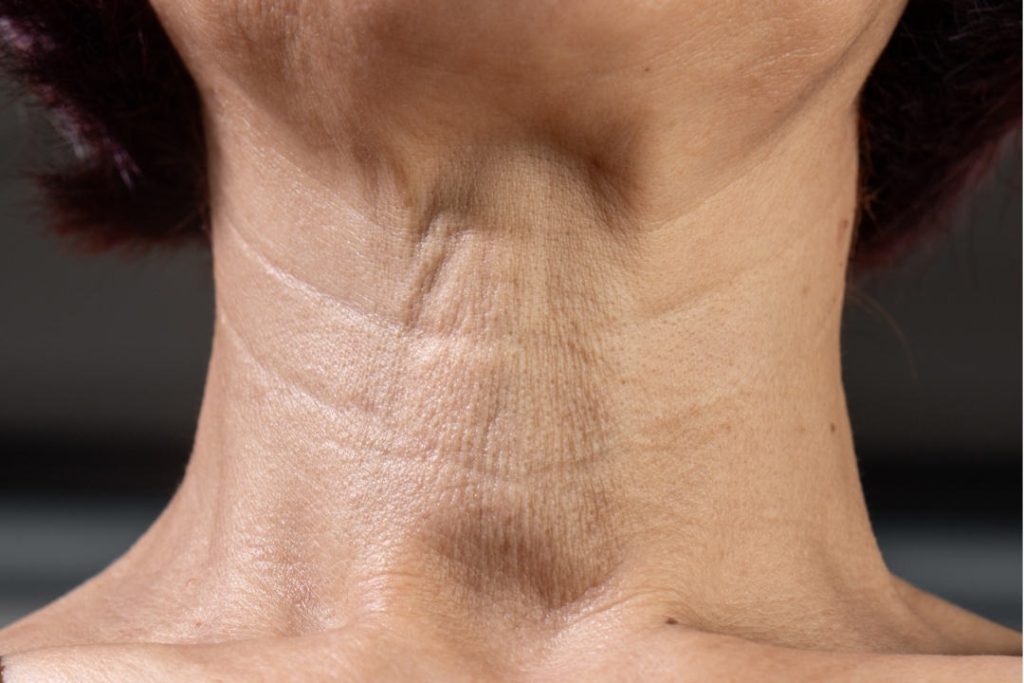
The skin on the neck is thinner than that on the face. Additionally, it is often neglected in terms of skincare and sunscreen. These factors, in combination with the influence of posture, mean that it is susceptible to showing the signs of ageing and sun damage, often before the face.
Concerns related to the neck typically include:
- Skin laxity and signs of sun damage
- Horizontal neck lines (usually due to a combination of decline in skin quality and poor posture, nicknamed tech neck)
- Platysmal bands (this superficial muscle can produce vertical stringy bands on the neck).
After assessment at your consultation, one or a combination of the following may be recommended (click for more information):
- Botulinum Toxin to target the platysma muscle responsible for a stringy neck
- A thin, flexible Dermal Filler to gently lift horizontal neck lines
- Dermalux LED Phototherapy to boost collagen production
- Medical-Grade Skincare
- Skin boosters including Polynucleotides, Profhilo and Redensity 1 to improve overall skin quality
- SkinPen Precision Microneedling, exosomes and/or Skin Resurfacing to improve overall skin quality
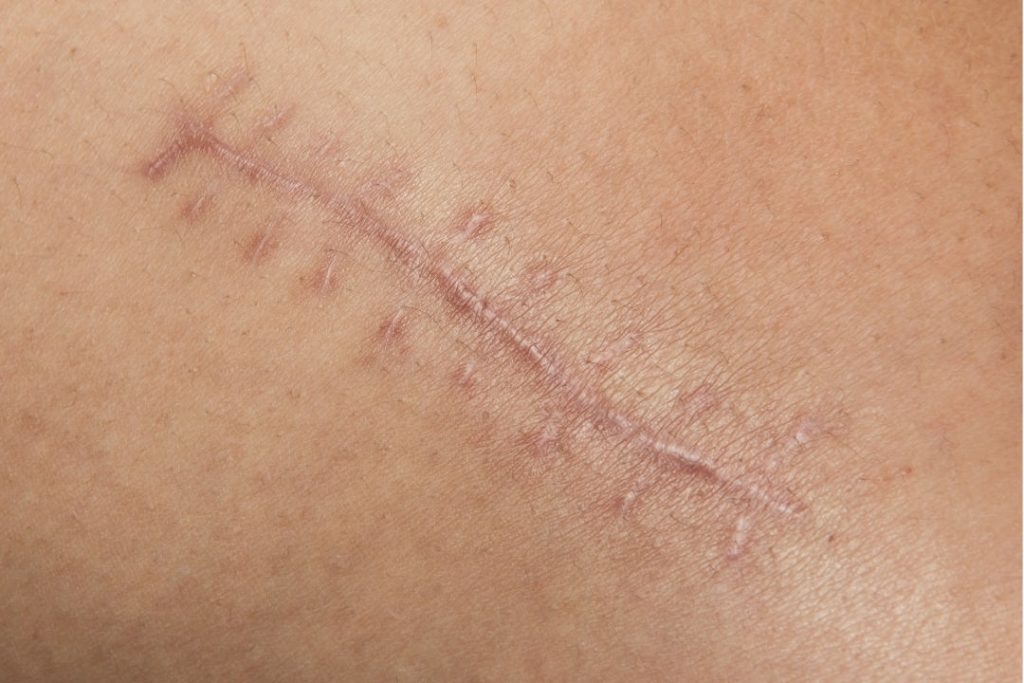
Scarring
Residual scarring due to acne or following surgery or injury is often bothersome and can affect your confidence. At DewDRop Skin, there are a number of options available to help with this concern.
After a detailed consultation, Dr Kate may recommend one or a combination of the following treatment options (click for more information):
- Exosomes
- Polynucleotides
- SkinPen Precision Microneedling is FDA-approved to treat scarring on the face and body – a course of 6 treatments will be required
Skin Laxity
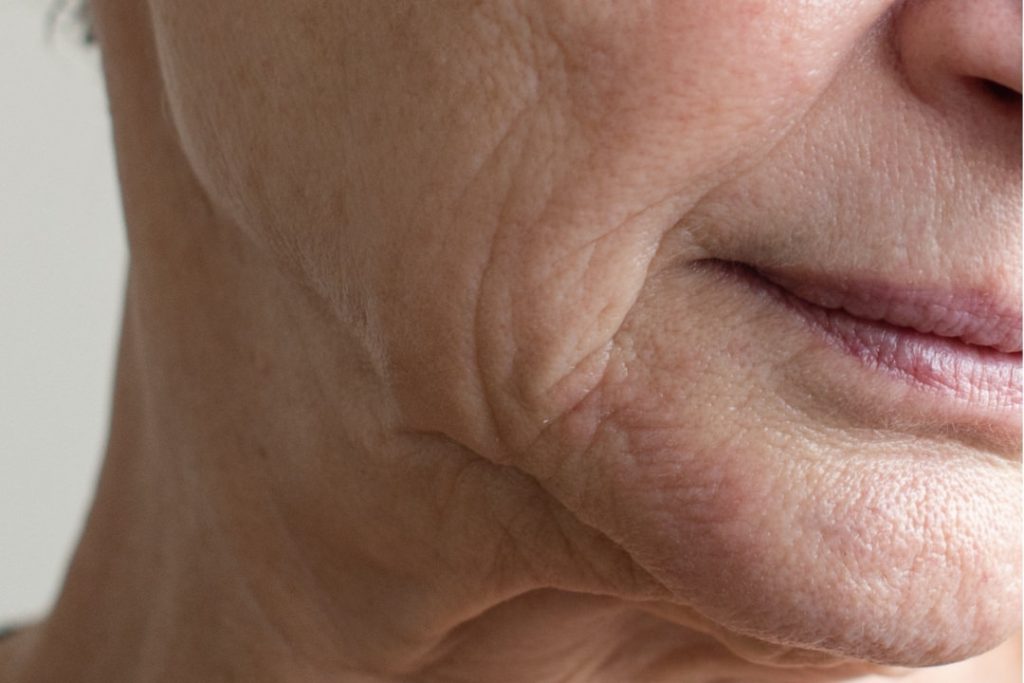
Creping or laxity of the skin on the body is a common concern, especially on the arms and abdomen. It occurs with ageing but can be exacerbated by factors such as sun damage and lifestyle factors including diet and smoking. It may also be apparent after pregnancy or fluctuations in weight.
At your consultation, you may be recommended one of the following treatments, or a combination (click for more information):
Stretch Marks
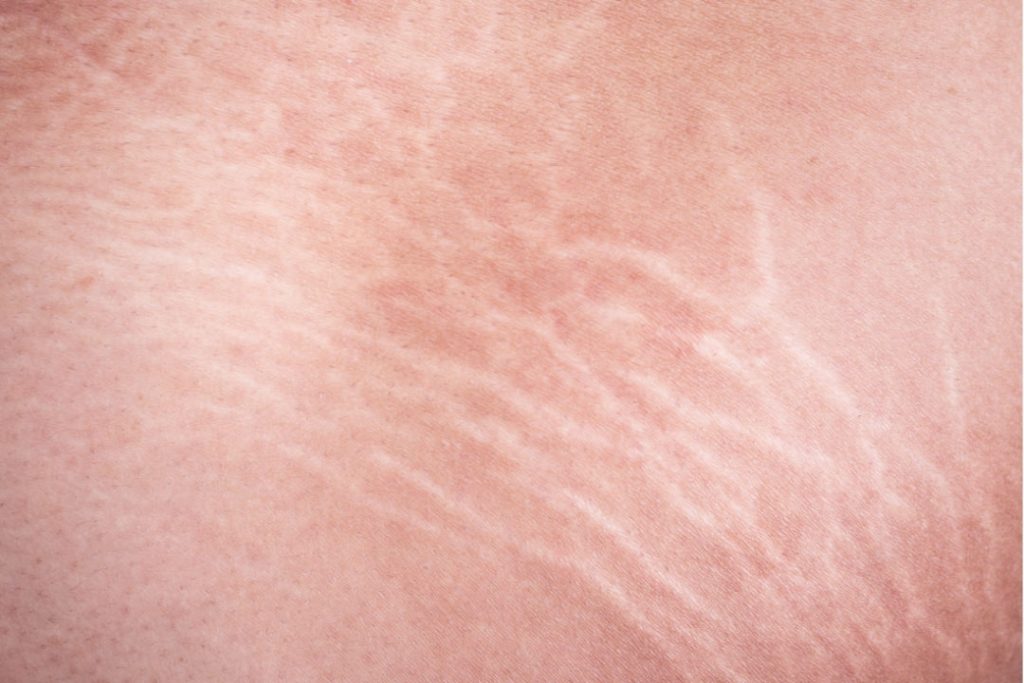
Stretch marks happen to almost everyone to some extent. They commonly present on the abdomen, hips, buttocks and thighs, and may be related to fluctuations in weight or occur during pregnancy.
Following a detailed consultation with Dr Kate, the following options may be offered to help with stretch marks (click for more information):
- Exosomes
- Polynucleotides
- SkinPen Precision Microneedling is FDA-approved to treat stretch marks on the body – a course of 6 treatments will be required
Underarm Sweating
Excessive sweating is a common problem that may impact people’s lives considerably. Whether it prevents you from enjoying certain activities or affects your choice of clothing, the significance of this concern is not to be dismissed.
At your consultation, Dr Kate may suggest the application of Botulinum Toxin using superficial injections in the underarm area (axilla). It can dramatically reduce sweating and is usually effective for several months.

SKIN
Acne
Acne is a devastating skin condition that can significantly impact the sufferer’s confidence and quality of life. It can also be associated with life-long scarring. It causes spots, oily skin and sometimes skin that’s hot or painful to touch. There are six types of skin lesion that are associated with acne:
- Blackheads – small black or yellowish bumps that develop on the skin; they are black because the inner lining of the hair follicle produces colour
- Whiteheads – these have a similar appearance to blackheads, but may be firmer and will not empty when squeezed
- Papules – small red bumps that may feel tender or sore
- Pustules – similar to papules, but have a white tip in the centre, caused by a build-up of pus
- Nodules – large hard lumps that build up beneath the surface of the skin and can be painful
- Cysts – these are large pus-filled lumps that look similar to boils and carry the greatest risk of causing permanent scarring.
If you are suffering with active or inflamed acne and have not tried any medical treatment, you will be best placed to consult your NHS GP as a first point of call. Whilst Dr Kate is an experienced doctor, her specialist medical training is directed at anaesthesia and intensive care medicine, so her detailed dermatological knowledge and experience mostly pertains to life-threatening skin conditions that present to the ICU. If necessary, she can refer you for a private Dermatology opinion at a nearby hospital.
If your acne has been treated medically, e.g. with topical or oral antibiotics or oral tretinoin, and you would like advice about skincare that would be best suited to your skin type and help to reduce the chance of breakouts, then book in for a Skin Consultation and Dr Kate can certainly advise you and recommend products and treatments to help settle your skin.
There are a range of treatments that can be very helpful in helping you to manage acne (click for more information):
- Dermalux LED Phototherapy is a medically CE certified device for the treatment of acne
- Medical-Grade Skincare
- Skin Resurfacing
Acne Scarring
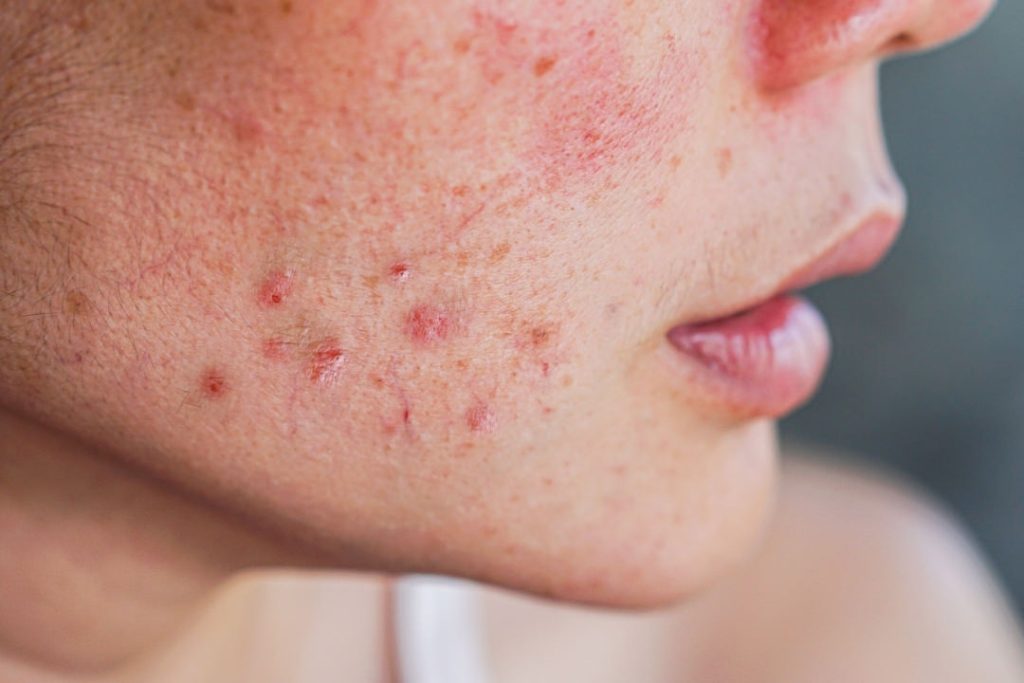
Residual scarring due to acne or following surgery or injury is often bothersome and can affect your confidence. At DewDRop Skin, there are a number of options available to help with this concern.
After a detailed consultation, Dr Kate may recommend one or a combination of the following treatment options (click for more information):
- Exosomes
- Polynucleotides
- Sculptra has been shown to be beneficial in acne scarring
- SkinPen Precision Microneedling is FDA-approved to treat scarring on the face and body – a course of 6 treatments will be required
Ageing Skin
Ageing is a privilege but we don’t always want the effects of it to show on our skin! Common complaints include crepey skin or laxity, fine lines and wrinkles, dehydrated or lacklustre skin, irregular skin texture and pigmentation.
If you are embarking on your journey to better skin, the best place to start is with a Skin Consultation with Dr Kate. This is a detailed appointment that includes a full facial assessment. At DewDRop Skin, the focus is on prevention, regenerative treatments that stimulate collagen and elastin induction, and improving skin health. These treatments yield entirely natural yet impactful results.
Options available for managing signs of skin ageing include (click for more information):
- Dermalux LED Phototherapy helps boost collagen production and rejuvenate the skin
- Exosomes
- Medical-Grade Skincare
- Skin boosters including Polynucleotides, Profhilo, Redensity 1 and babyGLOW™ to improve overall skin quality
- Sculptra to treat volume loss and address skin laxity
- SkinPen Precision Microneedling will treat fine lines and wrinkles and improve skin quality, and is FDA-approved to treat pigmentation including sun spots – a course of 4-6 treatments may be required depending on your concerns
- Dr Kate’s exciting signature SkinPen with Skin Boosters treatment is an excellent choice for patients with signs of skin ageing – a course of 3 treatments may be required depending on your concerns
- Skin Resurfacing
Enlarged Pores
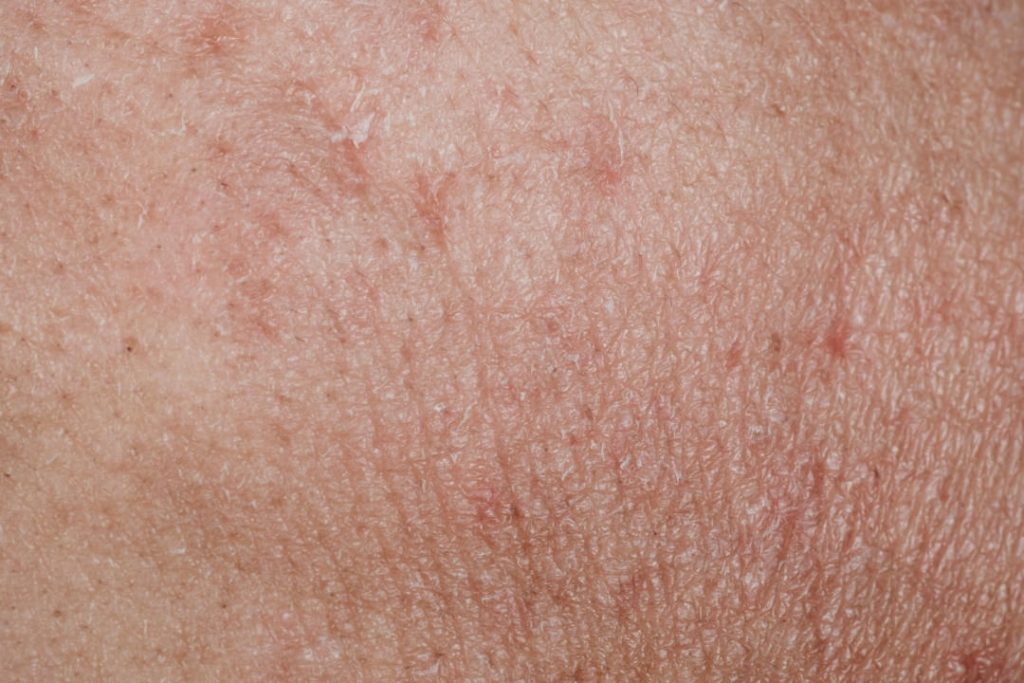
This common concern may be due to genetic factors, oily skin or reduced skin elasticity as we age.
If you are concerned about enlarged pores, the best place to start is with a Skin Consultation with Dr Kate. This is a detailed appointment that includes a full facial assessment. She may then advise one or more of the following (click for more information):
- Exosomes
- Medical-Grade Skincare
- Skin boosters including Polynucleotides, Profhilo and Redensity 1 to improve overall skin quality if the cause of your enlarged pores is skin laxity
- SkinPen Precision Microneedling will improve skin quality and is FDA-approved to treat visible pores – a course of 4-6 treatments may be required depending on your concerns
- Dr Kate’s exciting signature SkinPen with Skin Boosters treatment is a great choice for patients with signs of skin ageing that can cause enlarged pores – a course of 3 treatments may be required depending on your concerns
- Skin Resurfacing
Fine Lines and Wrinkles
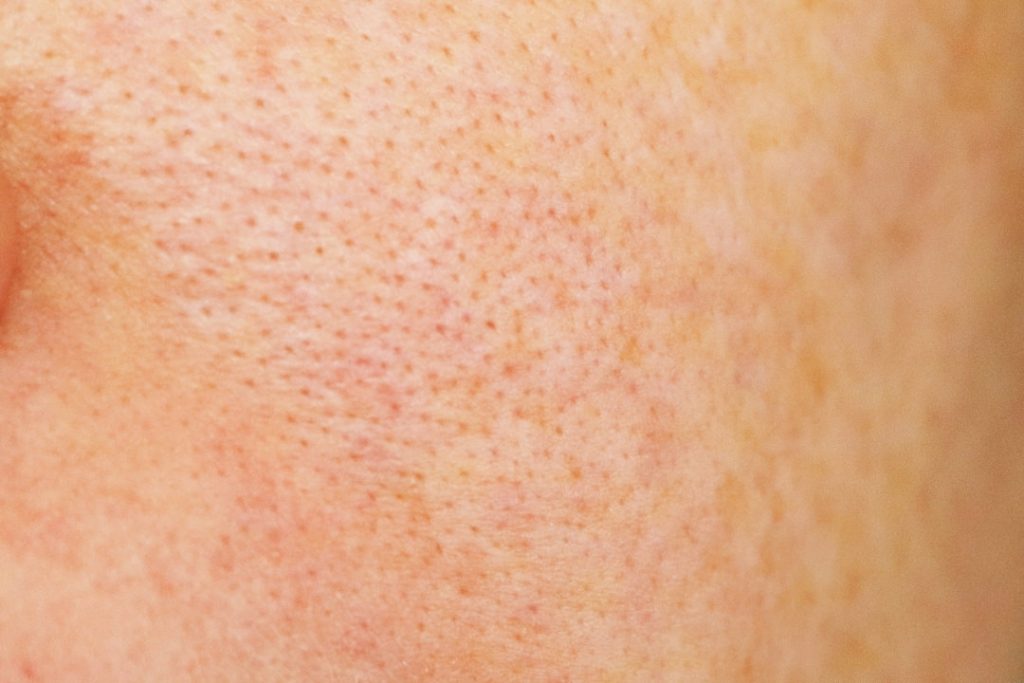
Lines and wrinkles develop for a wide variety of reasons:
- Muscle activity produces dynamic lines with facial expression and with time these lines become static (fixed)
- A decline in skin quality with age can worsen the appearance of pre-existing wrinkles and even cause new ones to form
- Lines and wrinkles may also be due to factors such as gravity and the position in which you sleep.
If you are concerned about fine lines and wrinkles, the best place to start is with a Initial Consultation with Dr Kate. This is a detailed appointment that includes a full facial assessment. At DewDRop Skin, the focus is on prevention, regenerative treatments that stimulate collagen and elastin induction, and improving skin health. These treatments yield entirely natural yet impactful results. After your facial assessment, Dr Kate will provide a bespoke treatment plan that may also include other injectable treatments.
Options available for managing fine lines and wrinkles include (click for more information):
- Botulinum Toxin to target the muscles responsible for dynamic lines
- A thin, flexible Dermal Filler to gently lift the wrinkles
- Dermalux LED Phototherapy is fantastic for skin rejuvenation and collagen production
- Exosomes
- Medical-Grade Skincare
- Skin boosters including Polynucleotides, Profhilo, Redensity 1 and babyGLOW™ to improve overall skin quality
- Sculptra to treat volume loss and address skin laxity
- SkinPen Precision Microneedling will treat fine lines and wrinkles and improve skin quality – a course of 4-6 treatments may be required depending on your concerns
- Dr Kate’s signature SkinPen with Skin Boosters treatment is a fantastic choice for patients with fine lines and wrinkles – a course of 3 treatments may be required depending on your concerns
- Skin Resurfacing

Pigmentation
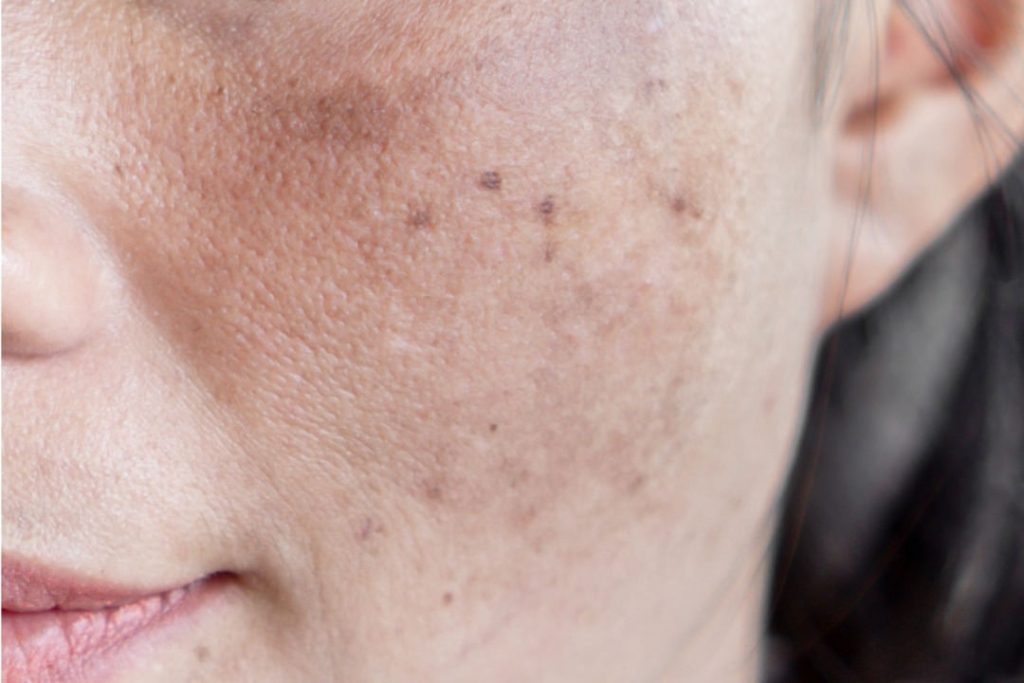
Abnormal pigmentation may be due to one or more of the following:
- Melasma (patches of hyperpigmentation that are commonly due to hormonal changes such as those that occur in pregnancy)
- Post-inflammatory hyperpigmentation (seen after any inflammatory process, commonly acne, sunburn or trauma)
- Solar lentigines (sun damage)
- Vitiligo
If you are concerned about abnormal pigmentation, the best place to start is with a Skin Consultation with Dr Kate. This is a detailed appointment that includes a full facial assessment. She may then advise one or more of the following (click for more information):
- Exosomes
- Medical-Grade Skincare
- Polynucleotides
- SkinPen Precision Microneedling is FDA-approved to treat abnormal pigmentation including vitiligo – a course of 4-6 treatments may be required depending on your concerns
- Dr Kate’s exciting signature SkinPen with Skin Boosters treatment is an excellent choice for patients with hyperpigmentation – a course of 3-6 treatments may be required depending on your concerns
- Bespoke Skin Resurfacing
Redness or Rosacea
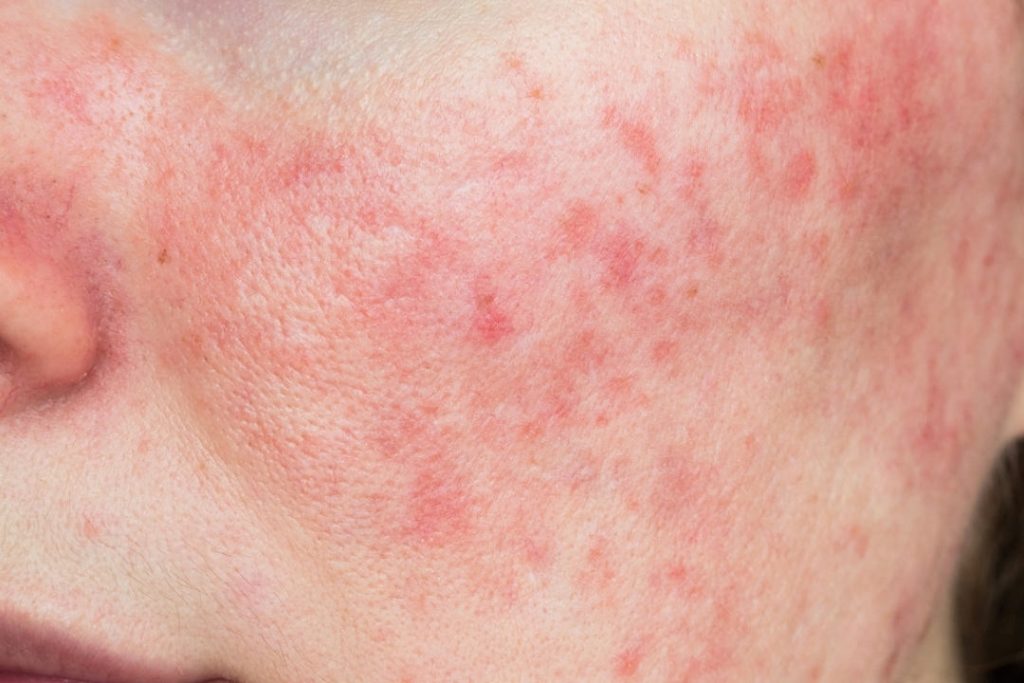
Redness of the skin on the face may be due to a number of factors:
- Impaired skin barrier (sensitised skin)
- Dermatitis, including eczema
- Rosacea
Rosacea is a common chronic skin condition that affects the face. It is most common in fair-haired, blue-eyed people and affects approximately 5% of the world’s population. The cause of rosacea appears to be multifactorial, but there is a strong genetic predisposition and overactivity of the immune system. There are a number of things that can aggravate the symptoms of rosacea, and pinpointing these can be helpful in managing and minimising flare-ups. The rash is typically central on the face, sparing the periocular and perioral regions. There features are:
- Erythema (redness and flushing that is initially intermittent, then constant)
- Telangectasia (visible blood vessels)
- Pustules and papules
- Thickening of the skin
If you are suffering with active dermatitis, eczema or inflamed rosacea and have not tried any medical treatment, you will be best placed to consult your GP as a first point of call. Whilst Dr Kate is an experienced doctor, her specialist medical training is directed at anaesthesia and intensive care medicine, so her detailed dermatological knowledge and experience mostly pertains to life-threatening skin conditions that present to the ICU. If necessary, she can refer you for a private Dermatology opinion at a nearby hospital.
If your redness is due to an impaired skin barrier, this is best addressed in the first instance with Medical-Grade Skincare, and can be discussed at a Skin Consultation.
If your dermatitis, eczema or rosacea has been treated medically, e.g. with topical or oral antibiotics or steroids, and you would like advice about skincare that would be best suited to your skin type and help to reduce the chance of flare-ups, then book in for a Skin Consultation and Dr Kate can certainly advise you and recommend products and treatments to help settle your skin. She may recommend one or a combination of the following (click for more information):
- Dermalux LED Phototherapy helps with redness and sensitive skin conditions
- Exosomes
- Medical-Grade Skincare
- Polynucleotides
- Skin Resurfacing
HAIR
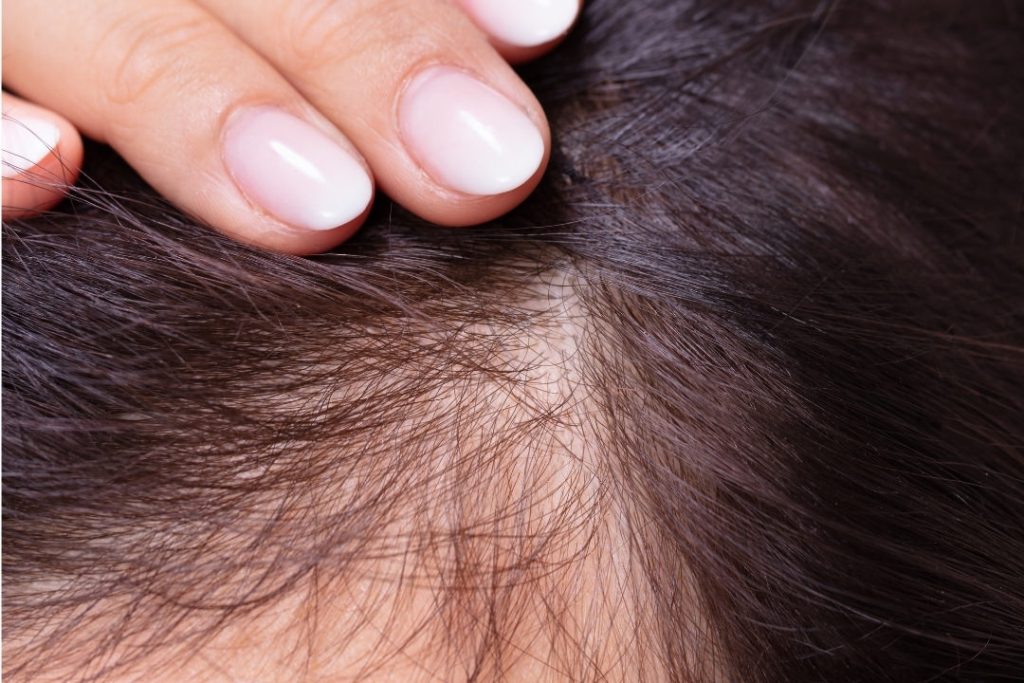
Hair Loss
Excessive hair loss can be extremely distressing to sufferers and have a significant impact on their quality of life. It may be broadly grouped into several categories:
- Medical conditions, e.g. hypothyroidism, nutritional deficiencies (iron, zinc, protein), lupus
- Scalp conditions, e.g. alopecia areata, fungal infection, psoriasis
- Drug-related, e.g. betablockers, certain blood thinners, certain antidepressants, chemotherapy
- Stress-related, e.g. severe illness, psychological stress
- Genetic
- Age-related
Dr Kate will conduct a thorough consultation in an effort to determine the underlying cause of your hair loss. If she suspects an undiagnosed medical condition, she may advise you to visit your GP for further assessment, investigation or treatment prior to conducting any aesthetic treatments.
If appropriate, in clinic you may be offered a course of Polynucleotides, which can be injected or microneedled into the scalp and around the brows to effectively stimulate hair regrowth. Alternatively, microneedling with specially formulated exosomes has excellent results for thinning hair.

Consultation with Dr Kate
Your consultation will be 45 minutes.