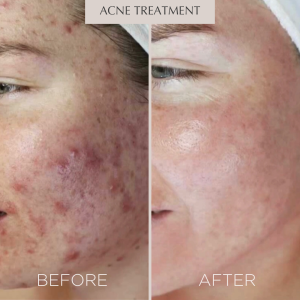
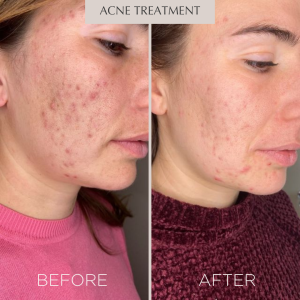
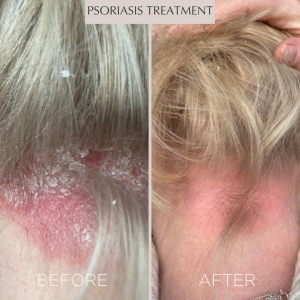
The award-winning Dermalux Flex MD packs a punch, with an extensive choice of protocols to address a wide range of skin concerns. It utilises three specific wavelengths of light that are clinically proven to boost collagen production, promote healing, and tackle problematic skin conditions including acne, psoriasis and rosacea.
With a shift towards non- and minimally-invasive treatments, LED Phototherapy offers a progressive alternative to more invasive procedures which can carry a higher risk of adverse response, discomfort and downtime. LED energy delivered via spectrally pure wavelengths stimulate the skin’s own repair mechanisms, correct problem skin conditions and help to restore optimum skin function.
This wonderfully relaxing and rejuvenating treatment is non-invasive, painless, and has the additional benefit of being associated with absolutely no downtime.


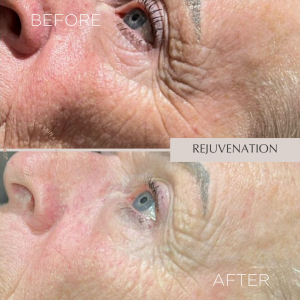
Please come to the clinic with a clean, makeup-free face.
If you have sensitive skin, you may choose to avoid sun exposure and topical actives (retinoids, tretinoin, AHAs, BHAs, vitamin C) for 24 hours prior to treatment.
As with all other aesthetic procedures, your treatment journey starts with a detailed consultation.
Eye protection will be provided. It is safe to wear contact lenses during the treatment.
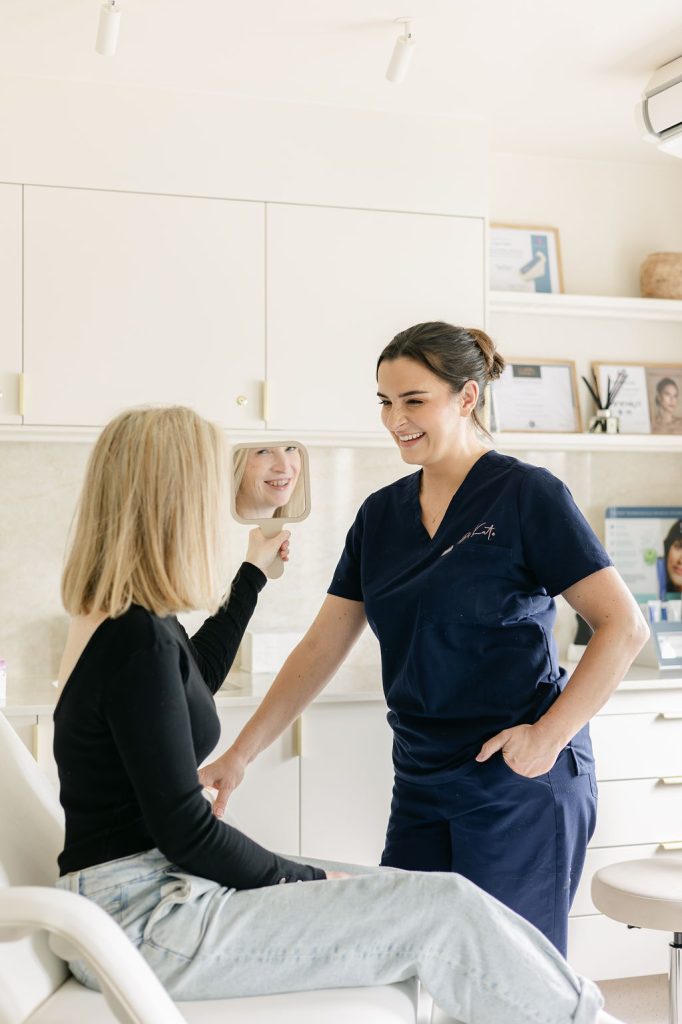
Dermalux LED phototherapy is a very relaxing experience - simply lie back under the dome of lights, close your eyes and allow the device to do all the work.
Photographs will be taken before and after treatment for your medical record. If you are receiving a course of treatments, photographs will usually be taken immediately prior to your 1st and 7th treatments and after you have completed your treatment course.
LED phototherapy may be used anywhere on the face and body.
15-30 minutes
There is no downtime associated with LED phototherapy.
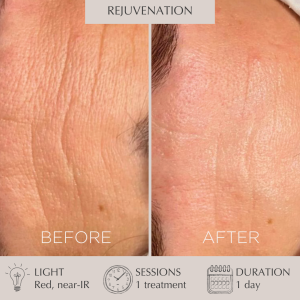
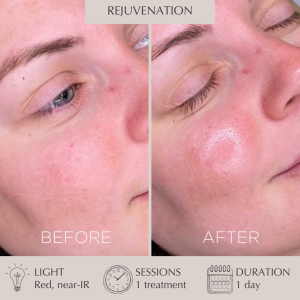
You will notice that your skin’s radiance is improved immediately after treatment.
LED phototherapy energises the skin, making it function better and renew faster, so beneficial effects are apparent for many weeks to months, particularly with repeated treatments.
LED phototherapy is a very safe procedure with minimal long-term risks. The device does not emit UV light.
One of the best things about this treatment is that there is no specific aftercare advice and you may resume your normal daily activities and skincare regime immediately.
You will be offered a complimentary review 2-4 weeks after treatment. This is an opportunity to monitor your results and plan ongoing treatments. Photographs will be taken at your review.
Multi-award winning Dermalux is a world leading and trusted British brand for professional LED Phototherapy. Phototherapy, meaning ‘treatment with light’, is the application of low-level light energy to stimulate or regulate biological processes with proven therapeutic effects.
The mechanism of action is a natural response similar to that of plant photosynthesis through a process known as photobiomodulation. LED Phototherapy is well evidenced for its regenerative and anti-inflammatory benefits without creating trauma making it safe and suitable for all skin types.
The treatment involves exposing the skin to low levels of beneficial light energy from the visible and infrared part of the light spectrum. Specific wavelengths interact with biological systems and activate key cell receptors which consequently trigger a transfer of light energy to cellular energy. Skin cells that are energised function better and can renew faster to promote youthful, healthy and radiant skin.
With a shift towards non- and minimally-invasive treatments, LED Phototherapy offers a progressive alternative to more invasive procedures which can carry a higher risk of adverse response, discomfort and downtime. LED energy delivered via spectrally pure wavelengths stimulate the skin’s own repair mechanisms, correct problem skin conditions and help to restore optimum skin function.
Dermalux use three wavelengths of light, which are the industry leading and most clinically evidenced wavelengths for LED Phototherapy treatment:
Key mechanism: Antibacterial
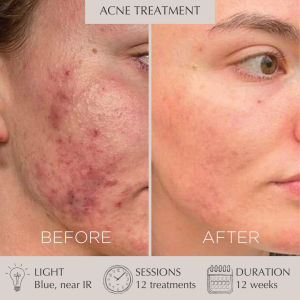
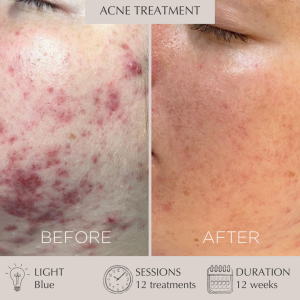
Blue light is absorbed by P. acnes bacteria and triggers a natural photochemical reaction releasing singlet oxygen. Singlet oxygen has a powerful antibacterial action to help eliminate spots whilst being gentle on the skin. It also helps to balance oil production and improve skin clarity.
Key mechanism: Rejuvenation and cell renewal
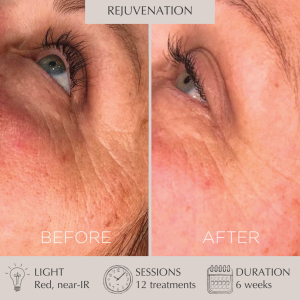
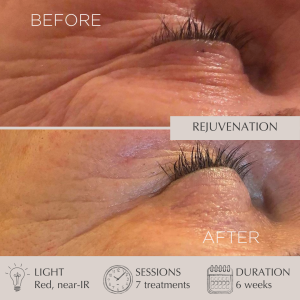
Red light is absorbed in the cell mitochondria and stimulates the synthesis of Adenosine Triphosphate (ATP), an essential energy source for cellular function. Skin cells that are energised are able to function better and regenerate up to 200% faster. Red light is potently absorbed by fibroblasts, increasing collagen and elastin synthesis and boosting hydration levels. Improved blood flow brings increased tissue oxygenation to accelerate repair whilst stimulation of the lymphatic systems helps with detoxification.
Key mechanism: Wound healing
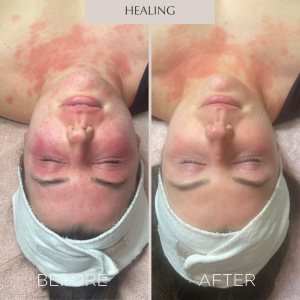
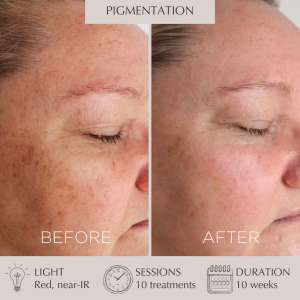
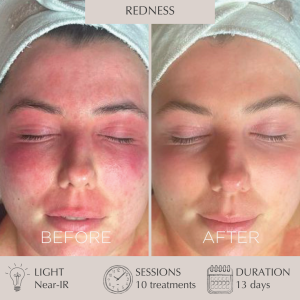
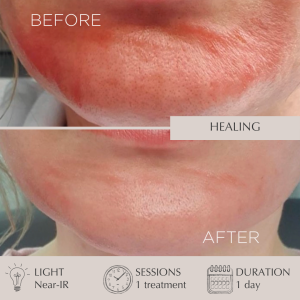
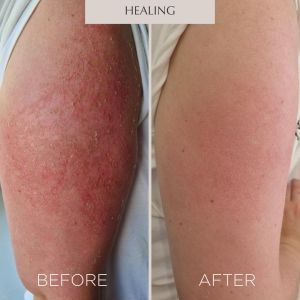
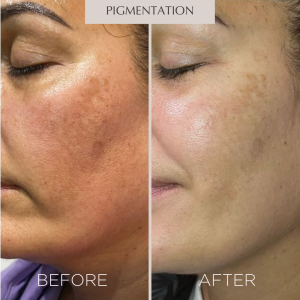
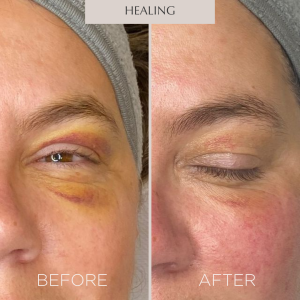
Exposure to near-infrared light at 830 nm increases blood circulation bringing vital oxygen and nutrients to help modulate inflammation, accelerate wound healing, calm irritation and reduce redness. Near-infrared light builds strength and integrity for compromised, environmentally damaged and sensitive skin conditions. It is also clinically effective in the treatment of hyperpigmentation.
This treatment is suitable for all skin types (Fitzpatrick I-VI). Due to naturally higher levels of melanin in darker skin types (Fitzpatrick IV-VI), additional LED treatments may be required for optimum results. It will improve the health and appearance of your skin, whether you have specific concerns or not.
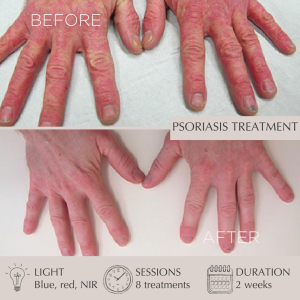
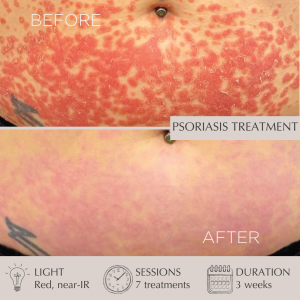
The Dermalux Flex MD is a medically CE certified device for the treatment of:
Cosmetic indications include:
Yes. The device emits spectrally pure light at the specified wavelengths. No UV light is emitted.
Eye protection will be supplied for all LED phototherapy treatments. It is safe to wear contact lenses during treatment.
No. LED phototherapy is completely painless.
You will notice that your skin’s radiance is improved immediately after treatment.
LED phototherapy energises the skin, making it function better and renew faster, so beneficial effects are apparent for many weeks to months, particularly with repeated treatments.
Some patients may choose to have one-off treatments as and when they feel they need them, such as immediately before an event or if their skin is looking a bit dull to give it a beautiful glow. This treatment can also be added on to almost any other in-clinic treatment to help aid healing and minimise bruising or irritation.
Depending on your skin concerns and goals, Dr Kate may recommend that you have an intensive course of treatments. This will be tailored specifically to you.
After your initial course, maintenance sessions are recommended to maintain your results. These can be tailored to you.
It is perfectly safe to have a weekly LED phototherapy treatment on a long-term basis if desired.
Absolutely! One of the benefits of this fantastic skin treatment is that it can be used all year round. There is no downtime and there are no restrictions regarding skincare post-procedure. Sunscreen, as always, is mandatory.
LED masks have become increasingly popular in recent times, with influencers regularly posting on social media about their benefits; however, these devices are less effective than in-clinic treatments. They contain far fewer LEDs that are of lower quality and far less powerful. Additionally, as with most things that we buy as a ‘fad’, they are often used a handful of times before they are put in the back of a cupboard and forgotten about.
Whilst they may have their place for the more diligent and dedicated of us, they are not a replacement for the powerful, medically-approved Dermalux device.
This treatment is suitable for all skin types (Fitzpatrick I-VI). Due to naturally higher levels of melanin in darker skin types (Fitzpatrick IV-VI), additional LED treatments may be required for optimum results. It will improve the health and appearance of your skin, whether you have specific concerns or not.
A detailed consultation with Dr Kate is essential prior to treatment, and will determine whether this is a suitable treatment for you. It is safe for almost everyone, including breast-feeding mums. Safety in pregnancy has not been established, so please discuss with Dr Kate if you are pregnant.
As a general guide, LED phototherapy is not suitable if you:
£30 for add-on treatment post-procedure (20 minutes) | £50 for standalone treatment (30 minutes).
Courses are available. Full details of pricing can be found here.
You can click here to download the Dermalux patient brochure.