Chemical peels are a fantastic treatment to give your skin a beautiful, brightening boost when it’s feeling dull and lacklustre. In this blog, I talk through what peels are, the benefits they can confer, what to expect and important points that are considered prior to embarking on your peel journey.
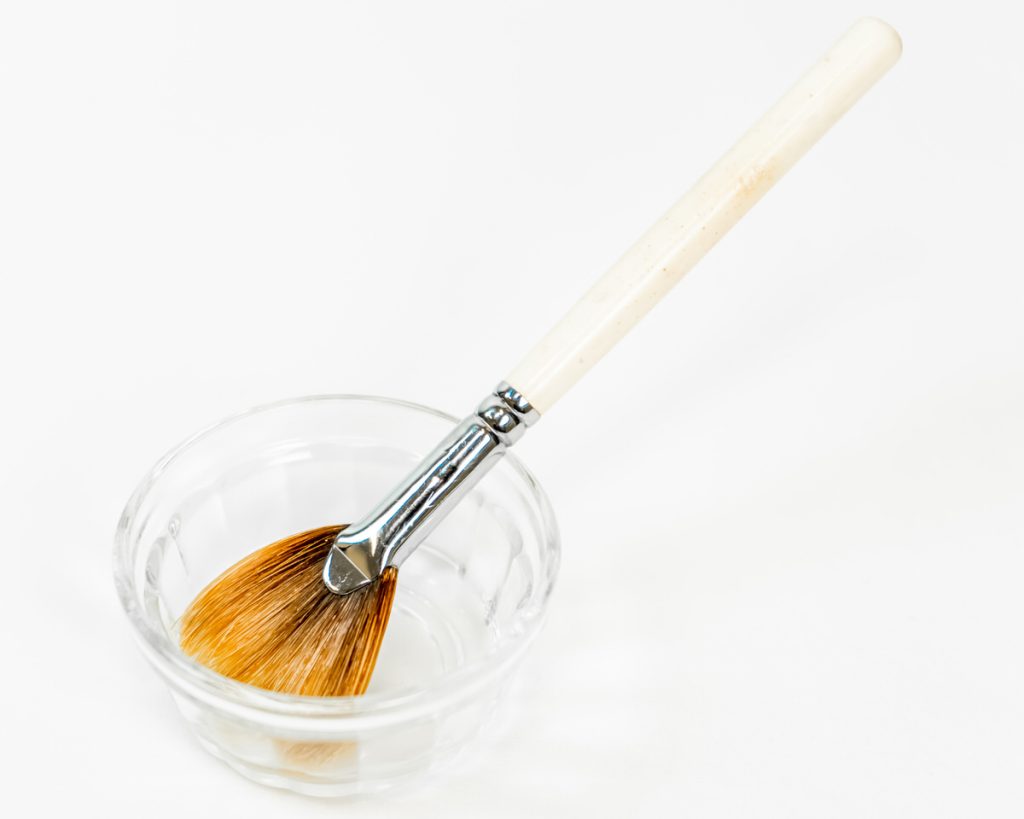
Chemical peels are typically a single acid or a blend of different acids that are applied to renew the surface and texture of the skin and build a plumper, fuller epidermis. The acids in peels break down bonds between skin cells so they can be sloughed away, revealing fresh new cells. They also boost cell regeneration and fibroblast activity (to increase collagen and elastin production).
At DewDRop Skin, I currently use the Medik8 Professional range of peels because they contain high concentrations of active acid at optimum pH, and are formulated with Time Release Technology to slowly release the acids into the skin, minimising irritation while maximising performance with clinically proven results. The diverse range allows us to target your particular skin concerns and tailor this wonderfully revitalising skin treatment specifically to you. All products in the Medik8 Professional Peel range also contain arginine to nourish and protect the skin.
One of the reasons that peels are so popular is that they can be used to tackle a wide array of skin concerns, including pigmentation or uneven tone, blemish-prone or congested skin, texture, fine lines and wrinkles, dehydration (yes, dehydration!), and dullness.
HOW ACIDS HELP THE SKIN
Each acid has different properties and benefits for the skin.
Alpha-Hydroxy Acids (AHAs)
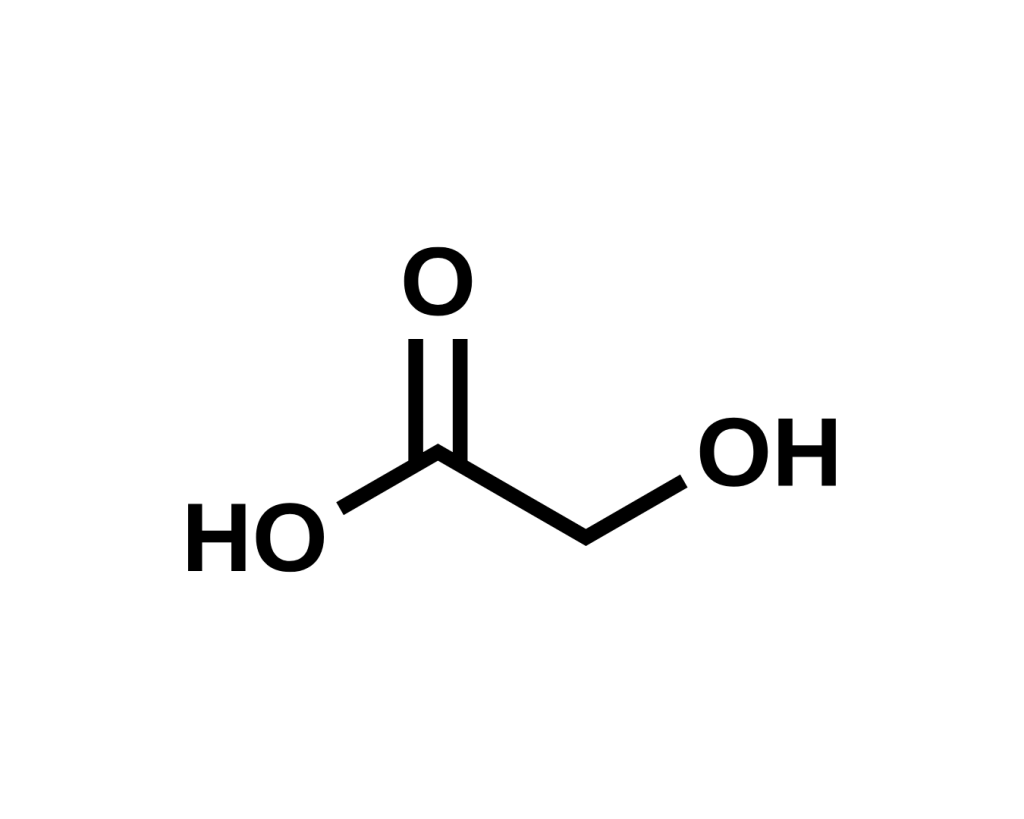
Glycolic Acid
With the smallest particle size of all the AHA family, glycolic acid is able to effectively penetrate the upper layers of the skin. It targets the corneocytes and effectively dissolves the desmosomes (the glue which holds our skin cells together) so they are easily exfoliated away to reveal fresher, newer skin cells beneath. This leaves the skin’s surface smooth and soft and the complexion luminous.
Glycolic acid is also able to impact fibroblast activity to help stimulate collagen and elastin production for a healthier, redefined skin surface. Many studies suggests glycolic acid is able to remodel the dermal extracellular matrix to plump and firm the skin overcoming advanced ageing concerns.
Lastly, it can significantly improve the appearance of superficial post-acne pigmentation.
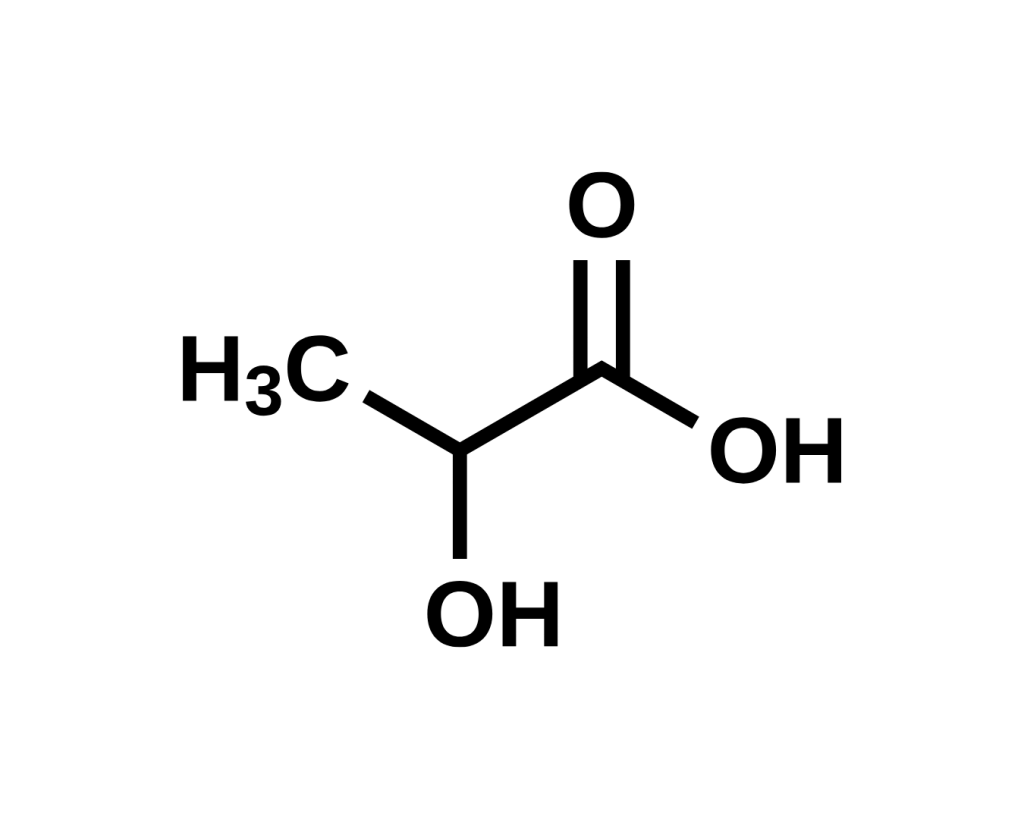
Lactic Acid
Lactic acid is an extremely nourishing AHA: its humectant properties (it draws water into itself) help to hydrate the upper layers of the skin, and it also stimulates the synthesis of ceramides, which helps to enhance the skin’s barrier function. This helps the skin to hold onto water for a soft, supple and radiant complexion.
Importantly, lactic acid is able to inhibit the tyrosinase enzyme, which is responsible for forming melanin in the skin. This makes it ideal for use on hyperpigmented skin types.
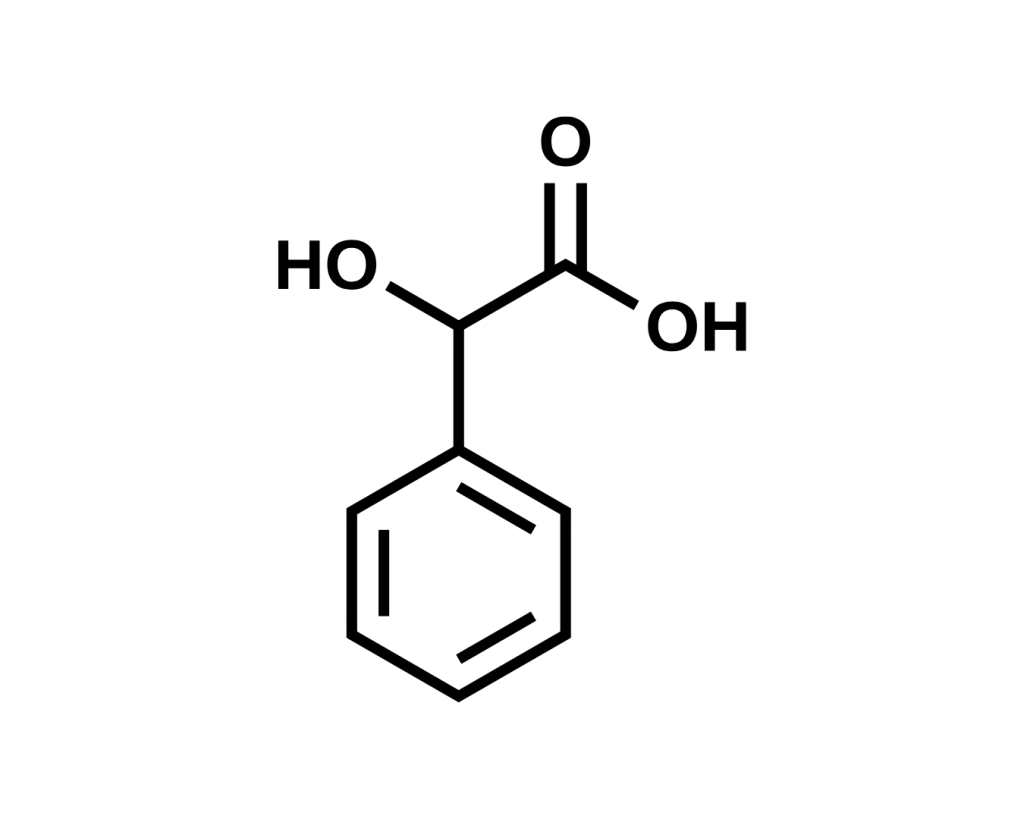
Mandelic Acid
An AHA with the power of beta-hydroxy acids, mandelic acid is both oil and water soluble. This allows it to penetrate into oily pores whilst also working on the upper layers of the skin. It can work to breakdown blockages of dead skin cells and sebum within the pores, which can cause them to enlarge.
On the surface of the skin it can exfoliate away dead skin cells to trigger cellular renewal and improve the overall architecture. This leaves the complexion renewed and brightened and smooths fine lines. It has a large molecular structure so penetrates into the skin slower than glycolic acid, making it ideal for more sensitive skin types.
Mandelic acid is also antibacterial which helps to control the build-up of bacteria on the skin, helping to prevent breakouts.
Beta-Hydroxy Acids (BHAs)
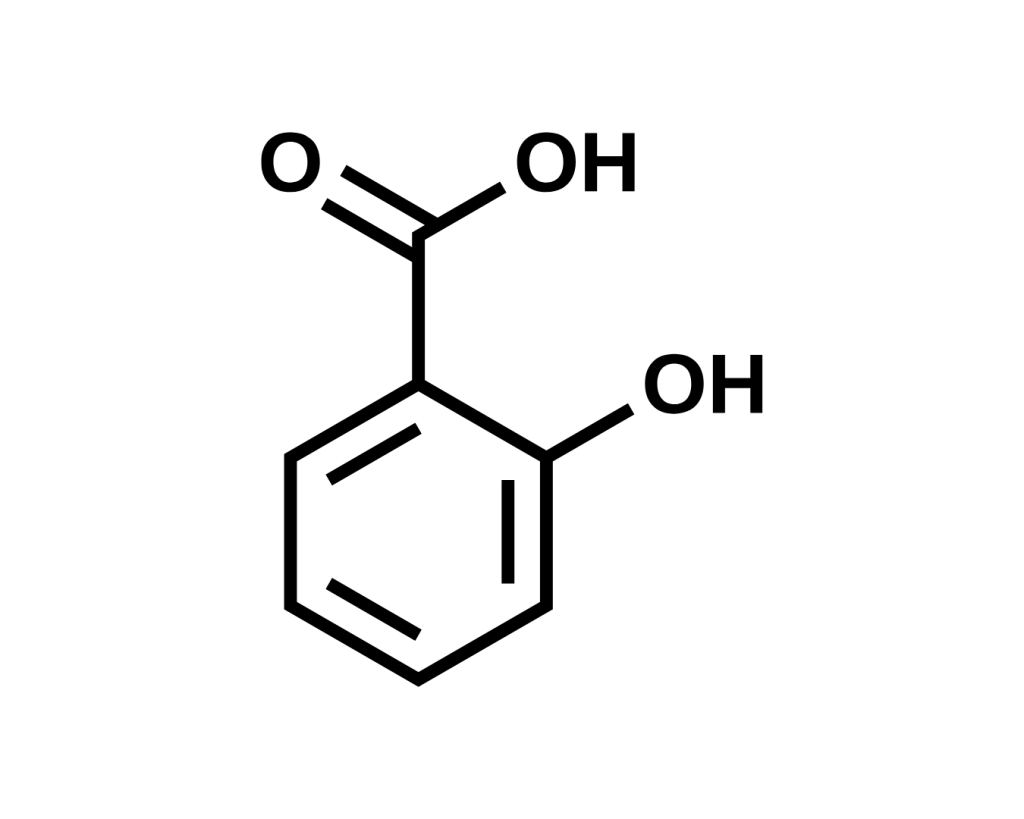
Salicylic Acid
Salicylic acid is a powerful BHA. Due to its lipid solubility, it is effective in penetrating pores and decongesting blocked follicles by softening and dissolving keratin. Salicylic acid also has exceptional anti-inflammatory effects and antibacterial properties, making it a great choice for people with blemish-prone, congested or oily skin.
Lipohydroxy Acid
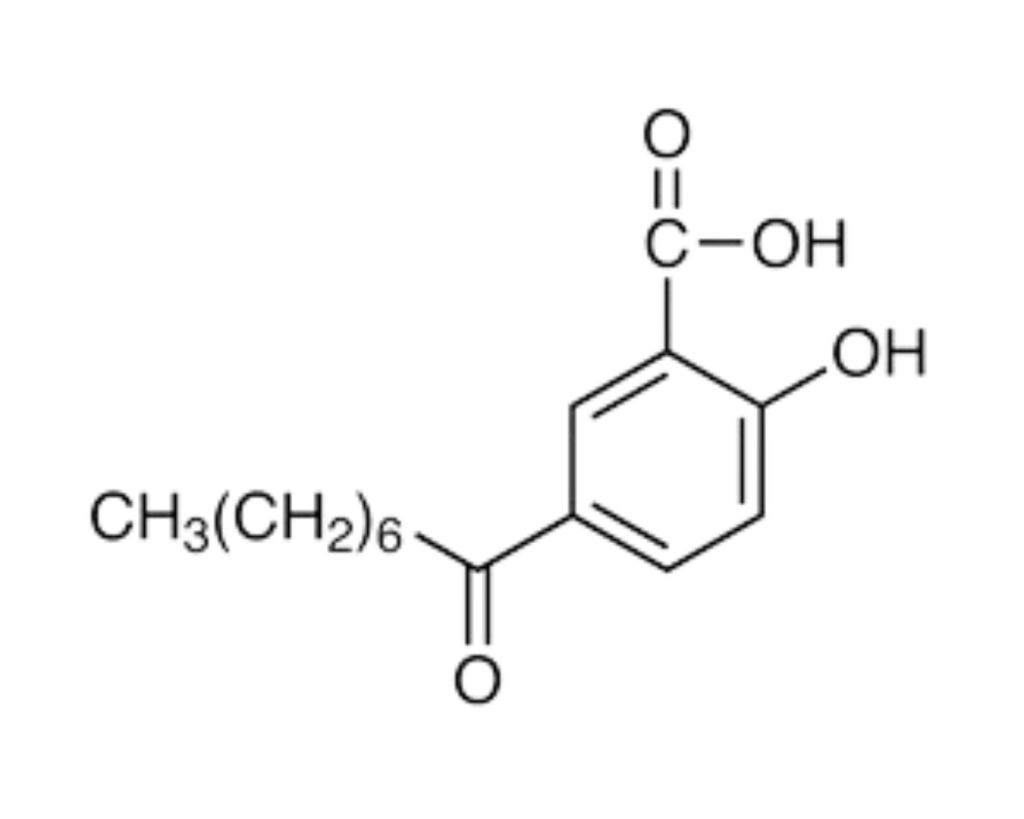
Lipohydroxy acid is salicylic acid but with an additional fatty chain attached, which makes the molecule larger and more oil soluble. Due to its slight difference in structure to salicylic acid it has very similar benefits without the uncomfortable sensation that salicylic can produce within the skin.
Polyhydroxy Acids (PHAs)
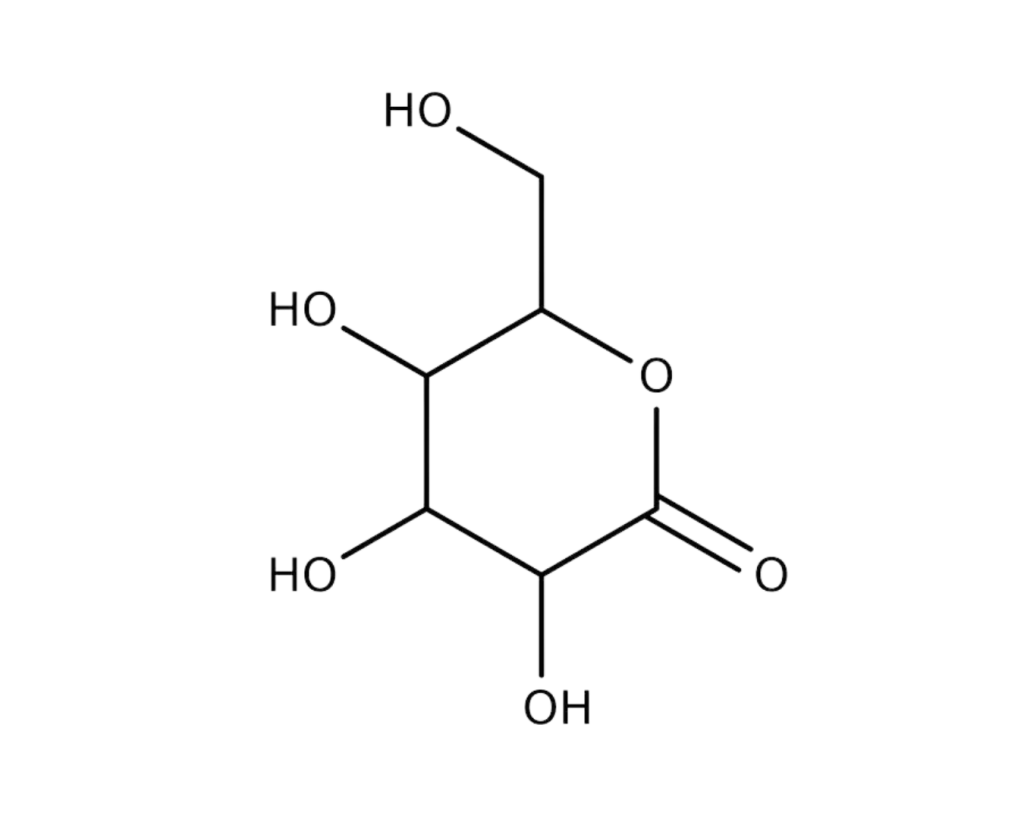
Gluconolactone
PHAs are similar to AHAs in that they are able to break down the bonds between skin cells, aiding the exfoliation of skin cells to reveal the fresh healthy skin cells skin beneath. However, PHAs have a much larger molecular structure than AHAs, which means they only have the ability to penetrate the top superficial layers of the skin. This makes them much less irritating than AHAs, thus are the perfect exfoliator for a sensitive skin. Gluconolactone is effective in reducing pigmentation as it exfoliates the top layer of melanin-rich skin cells to trigger enhanced cellular regeneration.
Alpha-Keto Acids
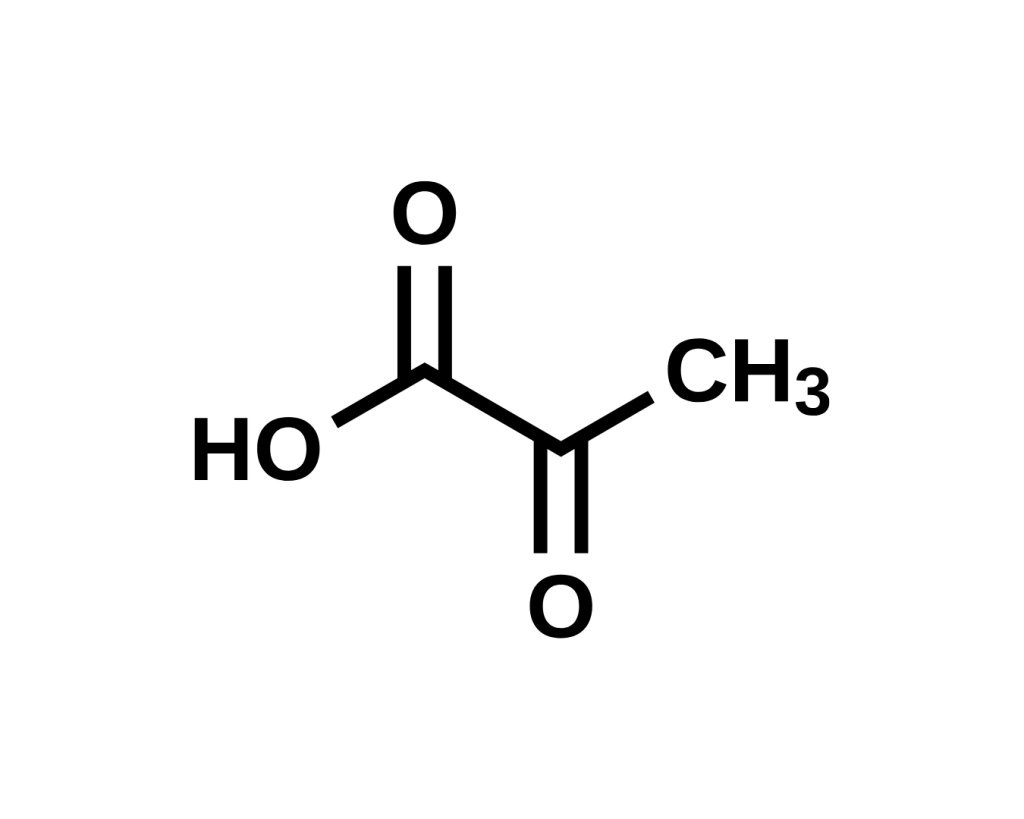
Pyruvic Acid
A small alpha-keto acid with a powerful exfoliative action. Pyruvic acid is easily able to penetrate through skin layers accelerating skin cell proliferation making it ideal for treating premature ageing and uneven skin texture.
PRE-PEEL CONSIDERATIONS
Chemical peels are best performed in the autumn, winter and early spring. It is possible to have a peel in the summer months, but you must be very cautious about sun exposure as your skin will be especially sensitive, and broad-spectrum, high-factor sunscreen use before and after a peel is mandatory.
Depending on the peel that is chosen and your current skincare regimen, it may be necessary to prepare the skin with at-home skincare for 2-4 weeks prior to your peel appointment. This involves the use of carefully selected products that encompass the Medik8 CSA philosophy (vitamin C and sunscreen in the morning, vitamin A at night). This means that not only will your skin health be improved overall, but the results you will achieve with your peel will be enhanced, last longer, and be associated with less downtime.
Whilst peels can safely be used on all skin types (Fitzpatrick I-VI), those with darker skin tones and those prone to hyperpigmentation may be recommended to prepare the skin with pigment suppressing products (Oxy-R Peptides) in addition to CSA for 4 weeks. This minimises the chance that you will develop post-inflammatory hyperpigmentation after your treatment.
WHAT TO EXPECT FROM A CHEMICAL PEEL TREATMENT
Your peel journey will start with a detailed Pre-Peel Consultation. This not only ensures the treatment is right for you, but allows me guide you, formulate your bespoke treatment plan, and to perform a patch test of any products that I may want to use.
Depending on your treatment and skin goals, I may recommended that you have a course of peels. Alternatively, you may elect to have a one-off treatment.
The treatment takes about an hour, and begins with cleansing the skin and applying a special solution to prepare your skin for the peel. Barrier ointment is used to protect the areas that we want to avoid, such as around the eyes and over the lips.
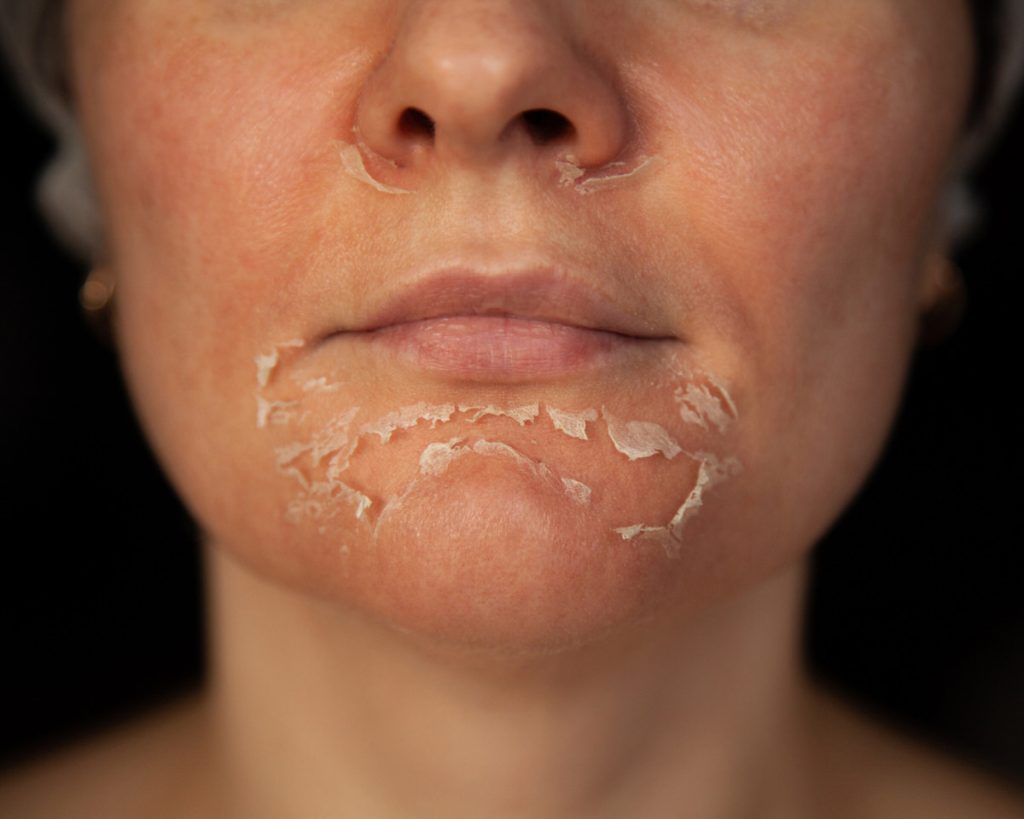
The chosen peel solution is then applied to the skin. You may experience a light tingle, which may develop into a more intense stinging or burning sensation. Whilst the peel is working I will regularly ask your level of discomfort to gauge when to remove it.
The peel is neutralised after a maximum of 10 minutes, the skin is cleansed, and a soothing serum, recovery treatment and mineral sunscreen are applied. This is one of the reasons I chose to work with Medik8 – it feels less like a treatment and more like a luxury facial.
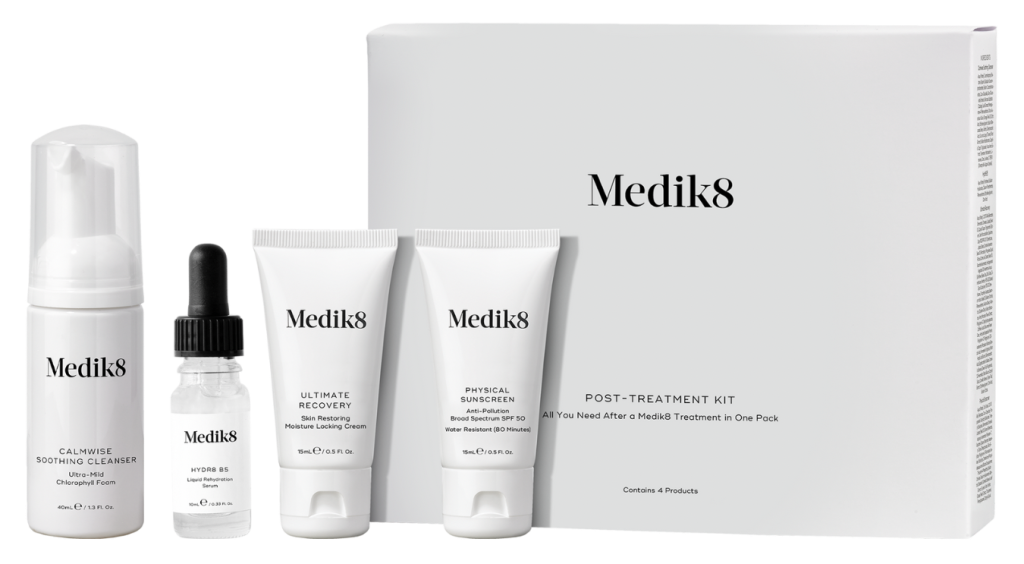
You will have the opportunity to purchase an at-home Post-Treatment Kit, which includes a gentle cleanser, a hyaluronic acid serum, an intensive balm that aids skin recovery, and a mineral (physical) sunscreen. This kit is included for free when you purchase a course of six peels.
RESULTS
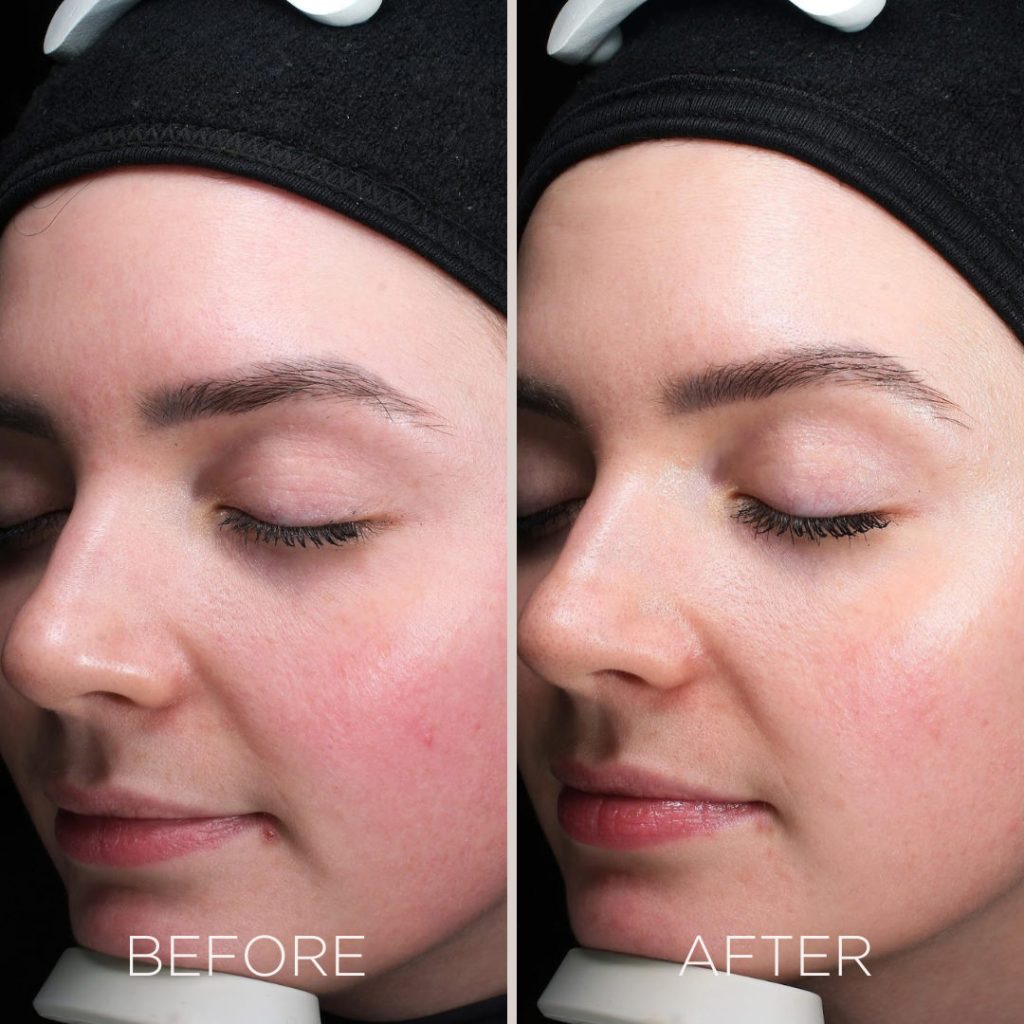
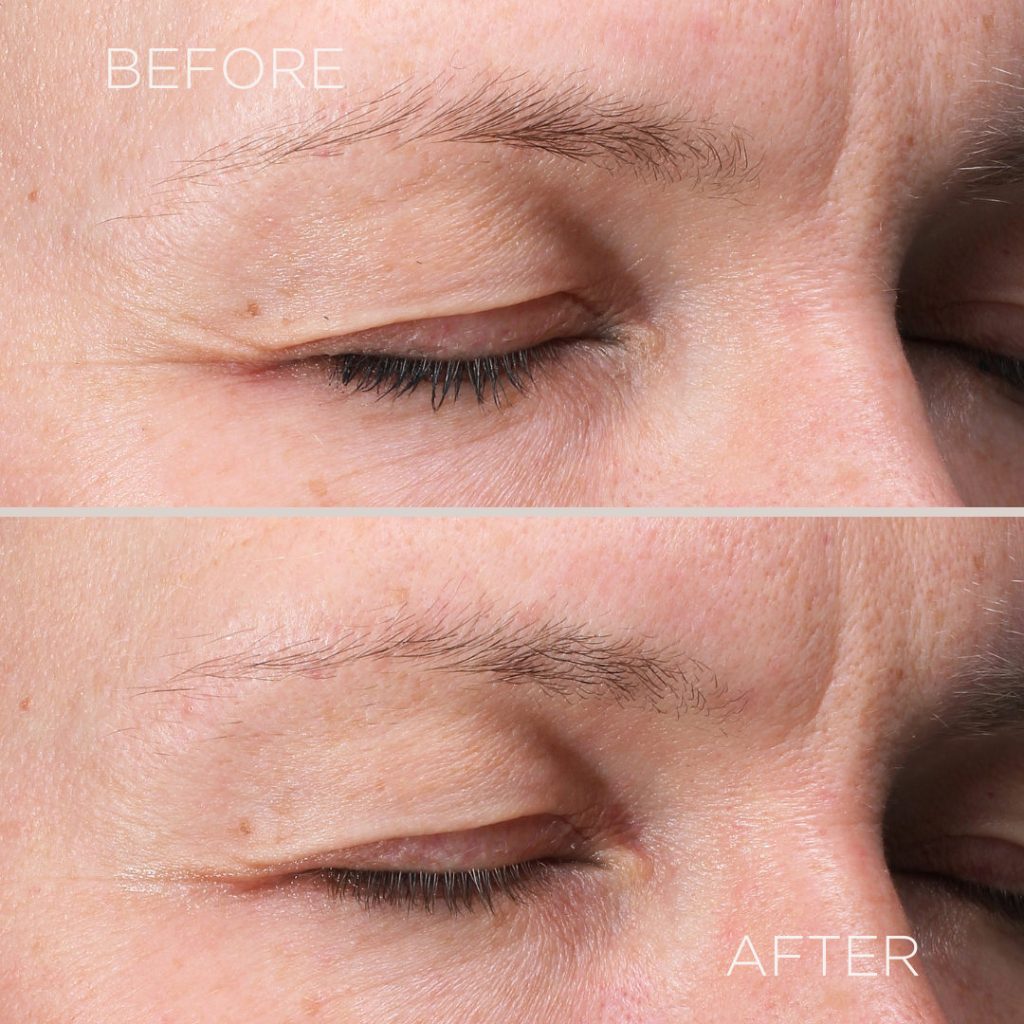
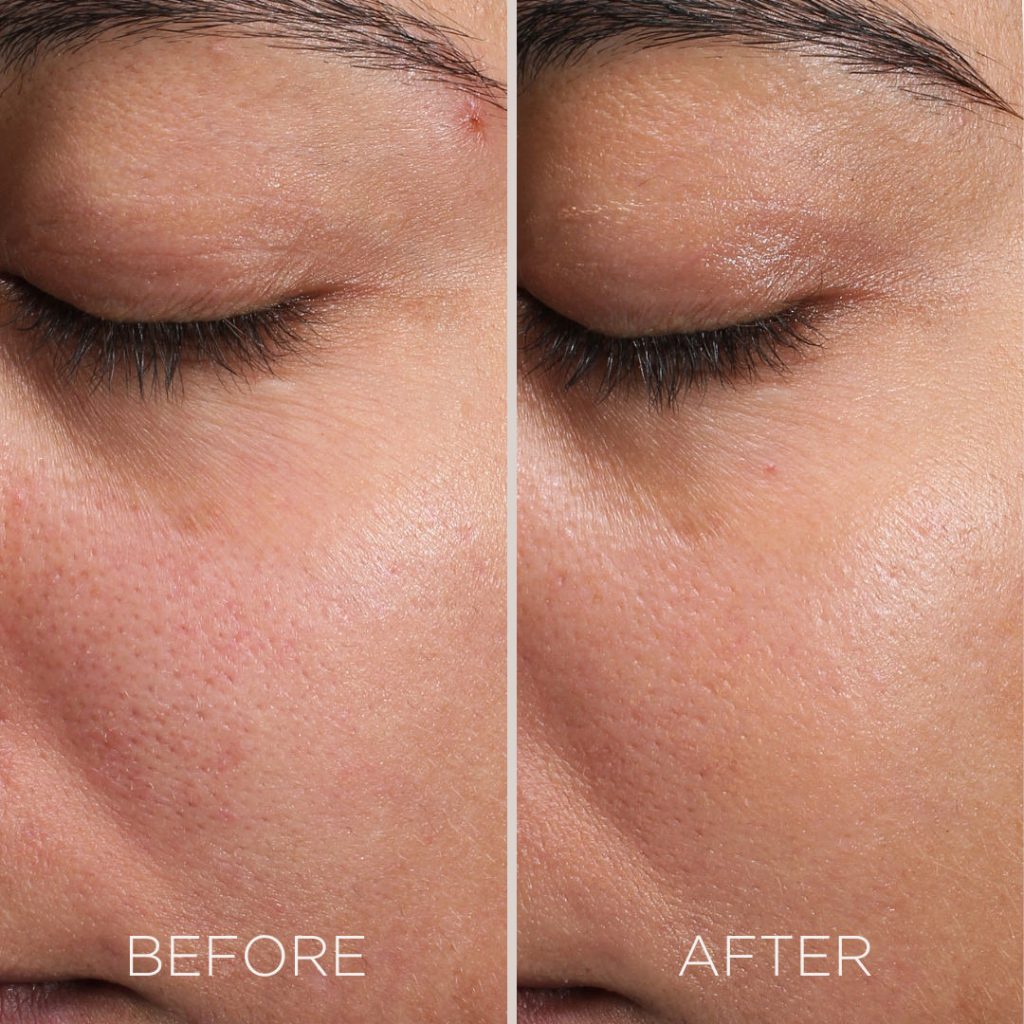
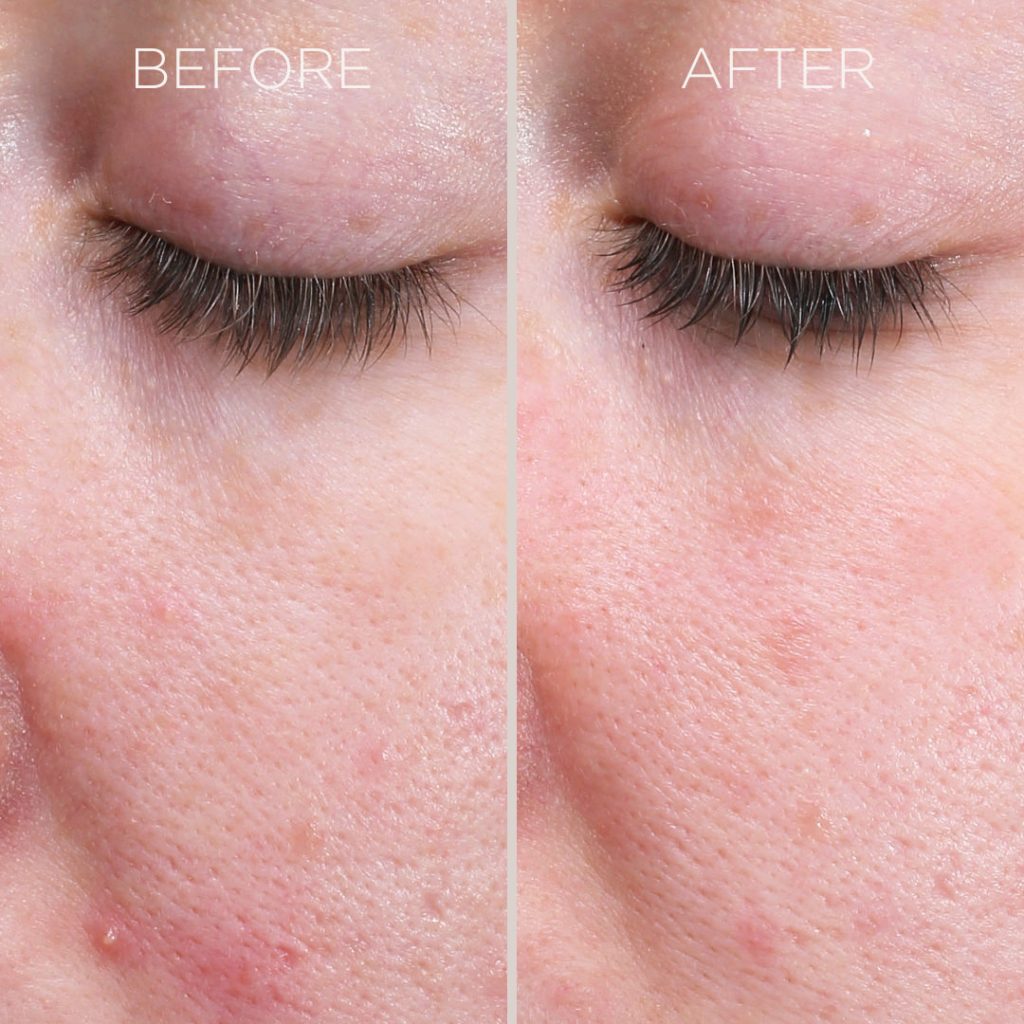
Peels can be a potent means of improving your skin’s health and architecture. Book your Skin Consultation with Dr Kate to find out more.